
Shop the catalog
69 of 69 compounds
Showing 69 of 69 results
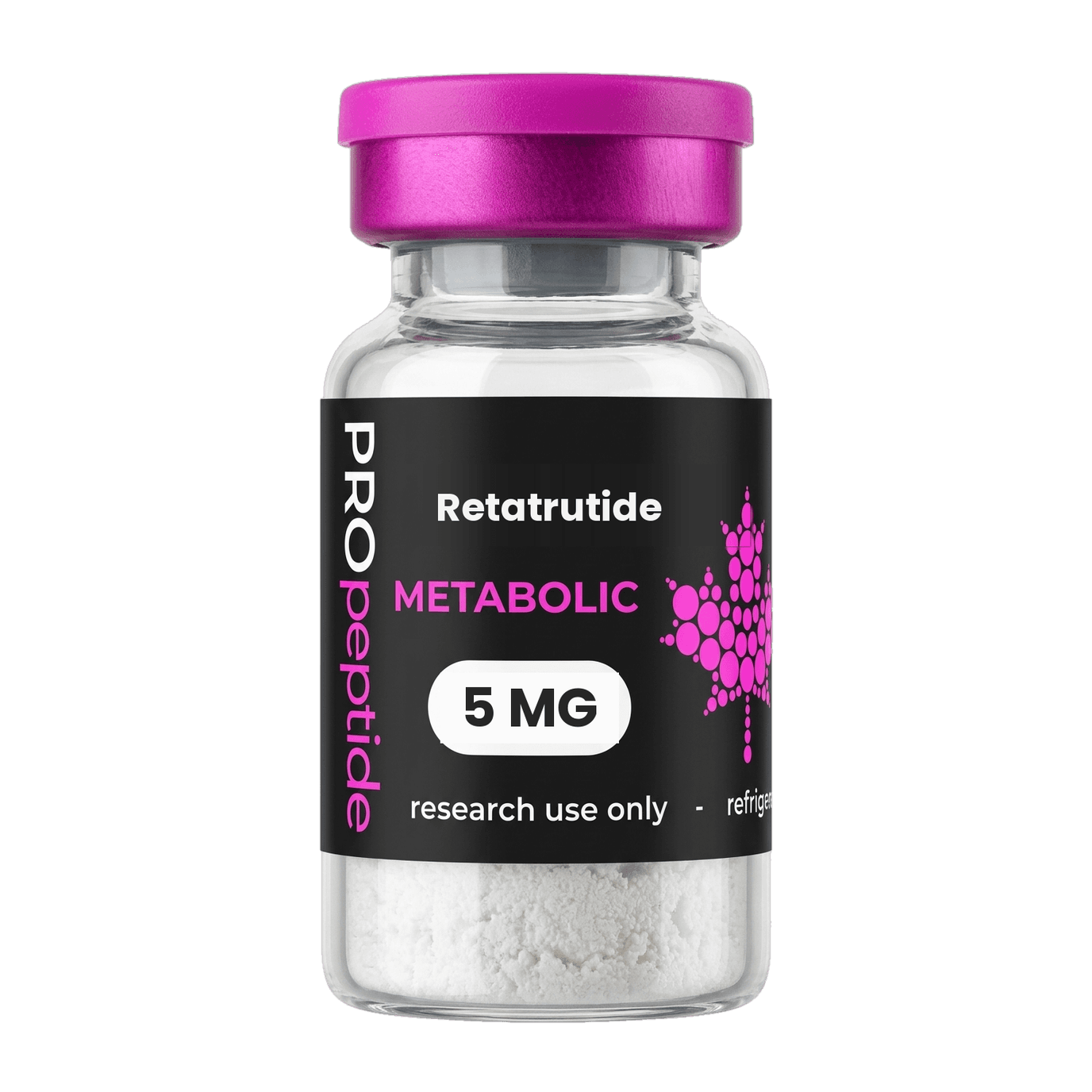
The triple agonist. One 39-residue molecule pulling the GIP, GLP-1 and glucagon receptors at the same time, built on a GIP backbone with an exendin-4 tail.
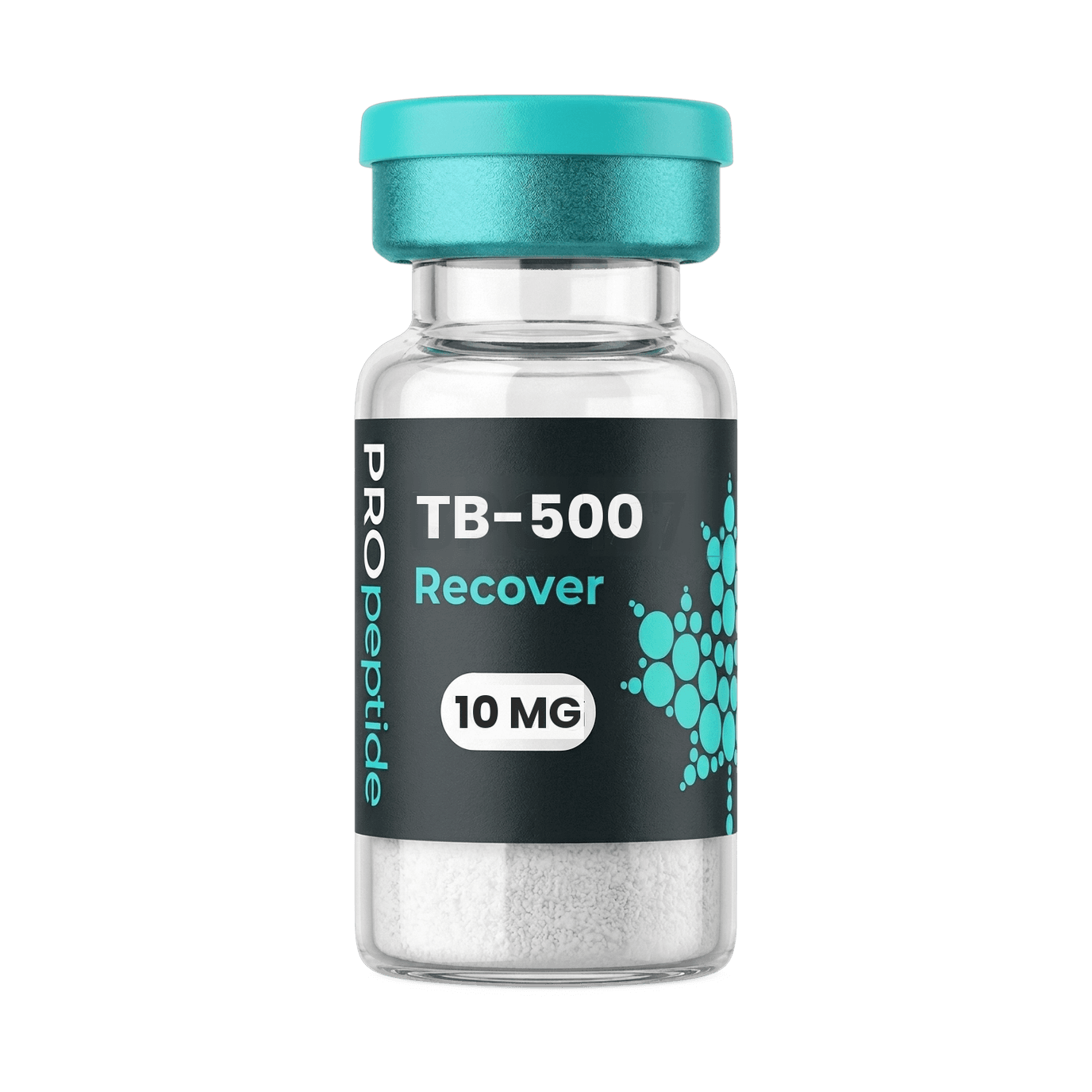
Seven residues clipped out of a 43-residue protein, and they happen to be the exact seven that grip actin. The rest of the protein turned out to be commentary.
It is water. We know. But it is the one bottle on this shelf where the boring ingredient is the entire product, and getting it wrong ruins everything else you bought.
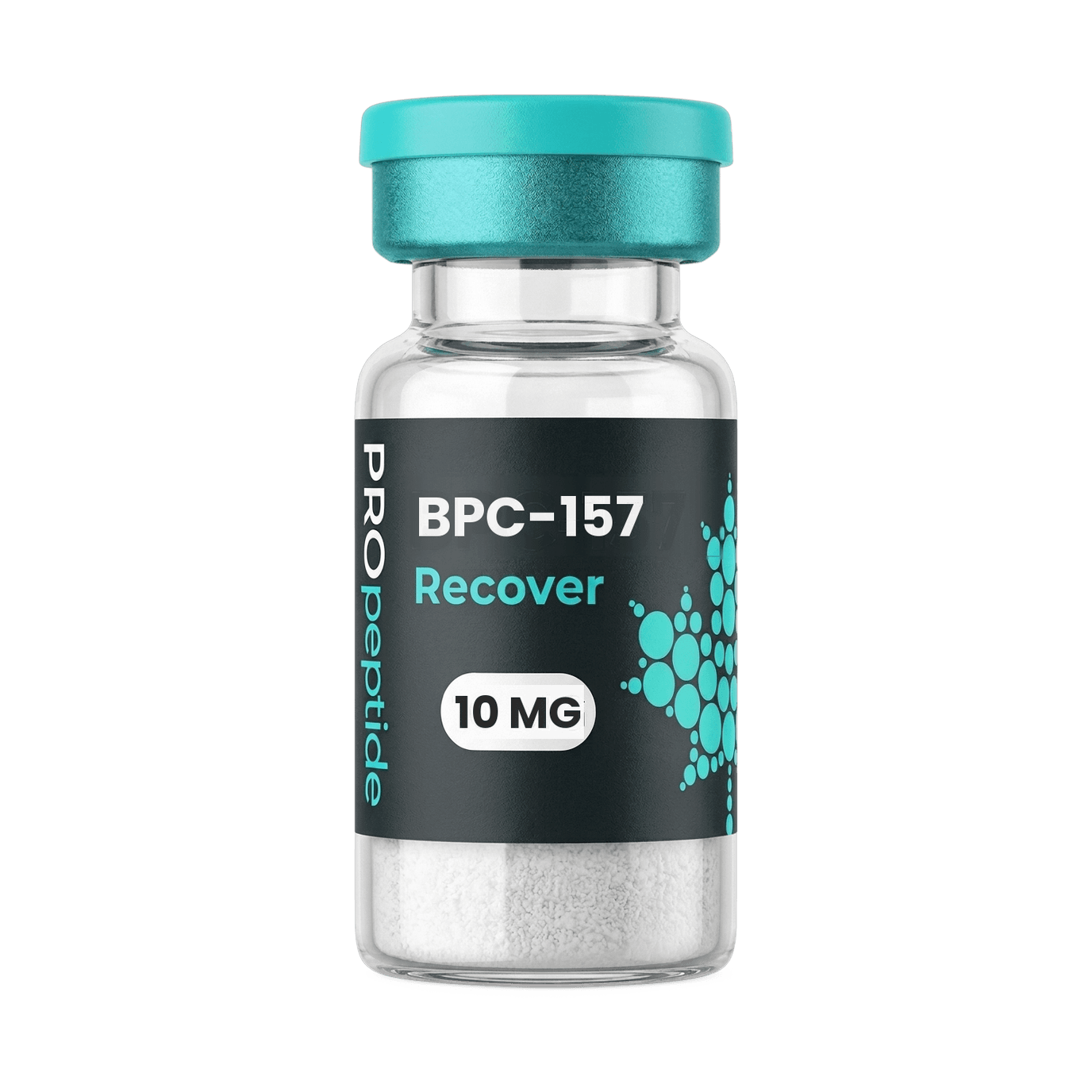
A fifteen-amino-acid fragment of a protective gastric protein, studied in animal models of tendon, gut and blood vessel repair.
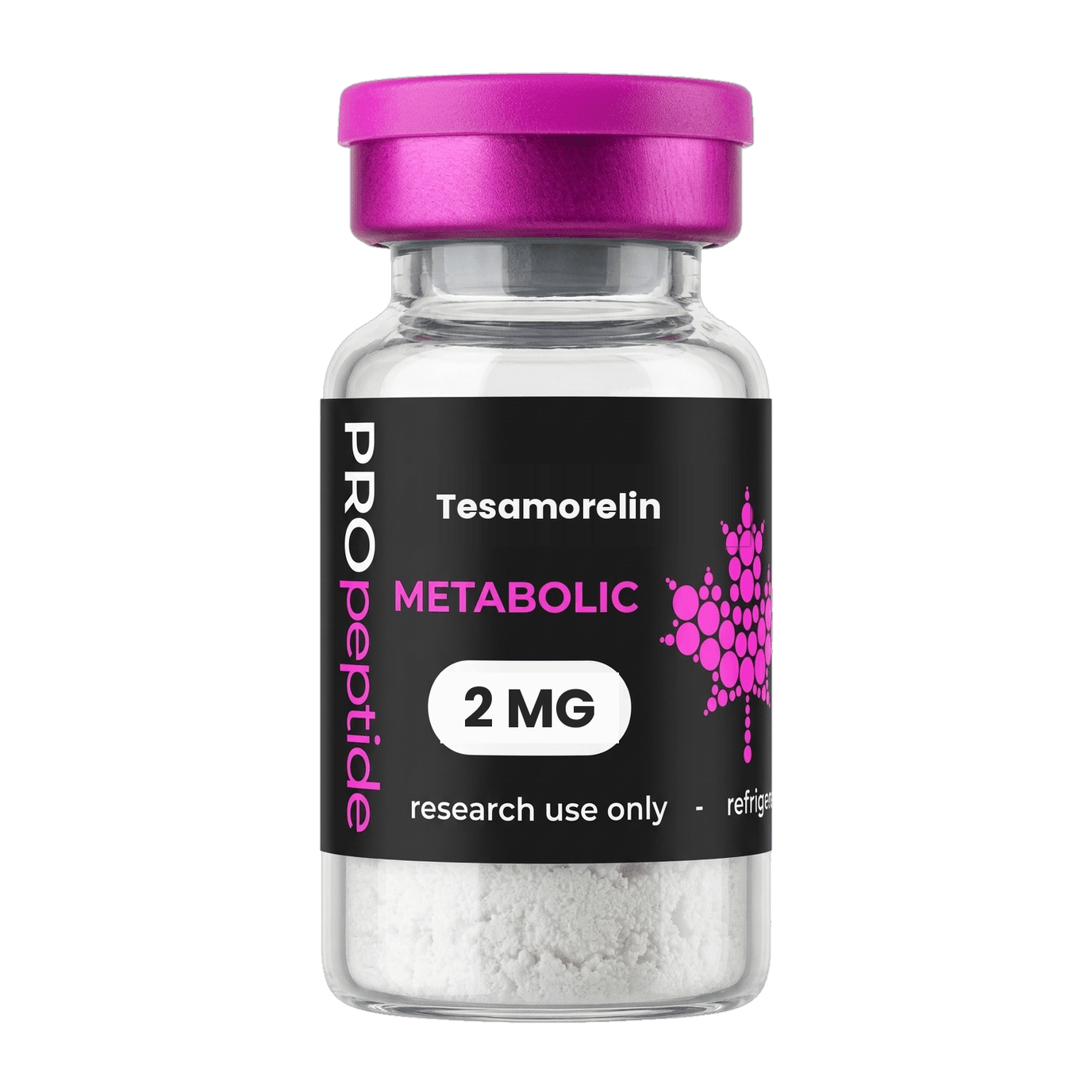
Almost nothing on this shelf ever finished. This one went the entire distance, cleared an FDA approval in 2010, and it was built in Montreal.
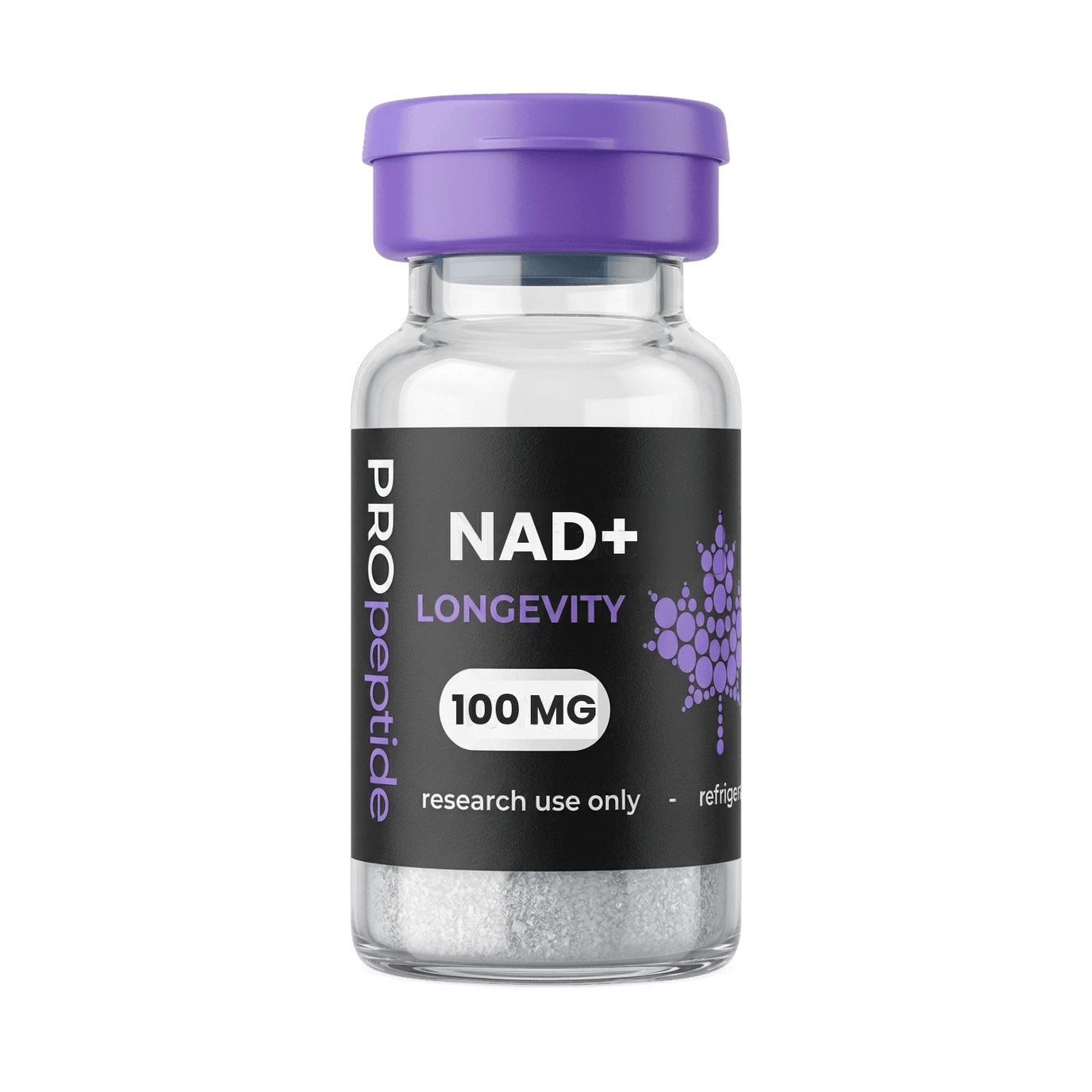
Not a peptide, and your cells burn through it constantly anyway. It is the currency molecule of metabolism, and there is no controlled trial of the injectable form in healthy adults.
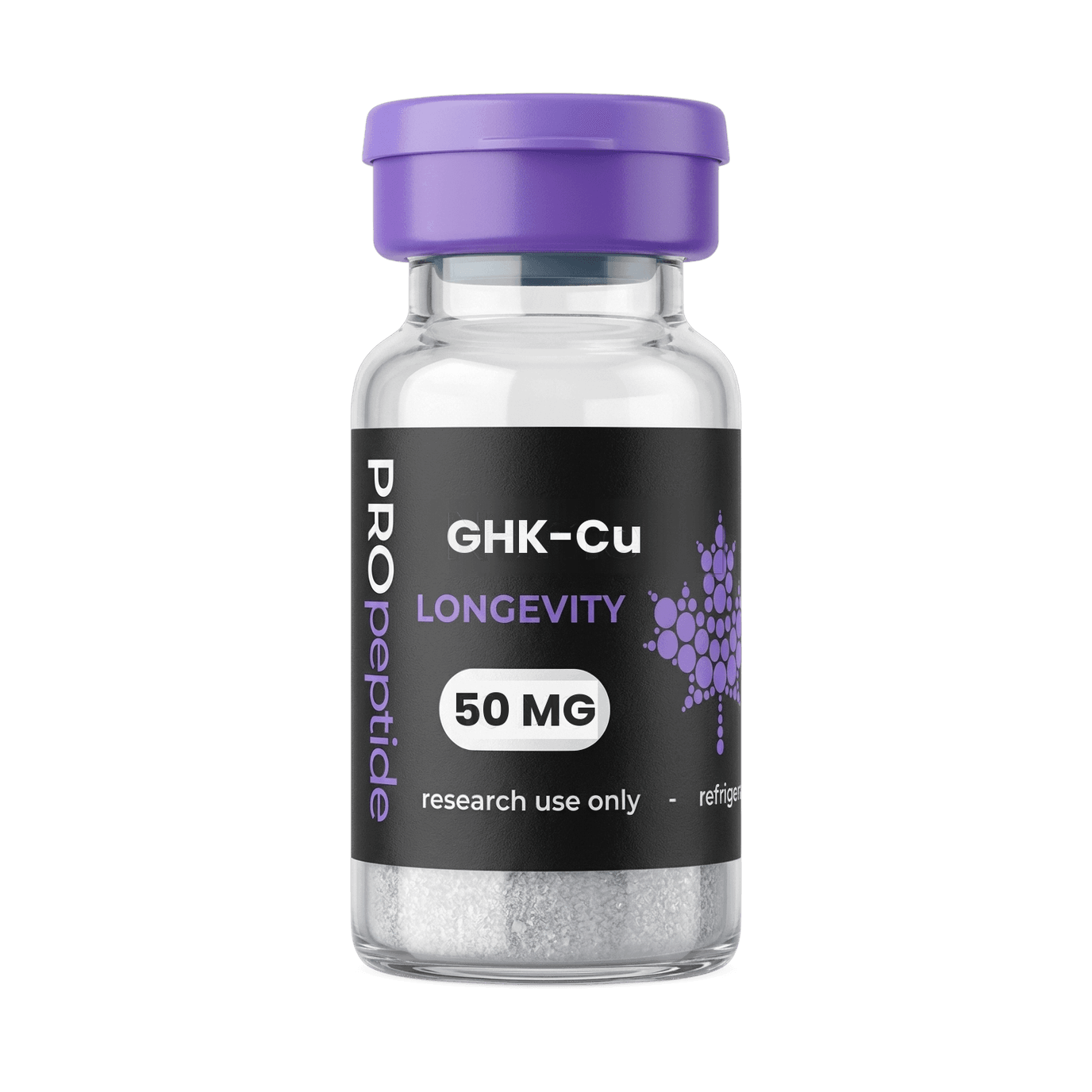
A tripeptide from your own plasma that refuses to travel without its copper atom. The strongest card in its file is a 1994 topical gel trial, and the one blinded aesthetic trial found no objective benefit.
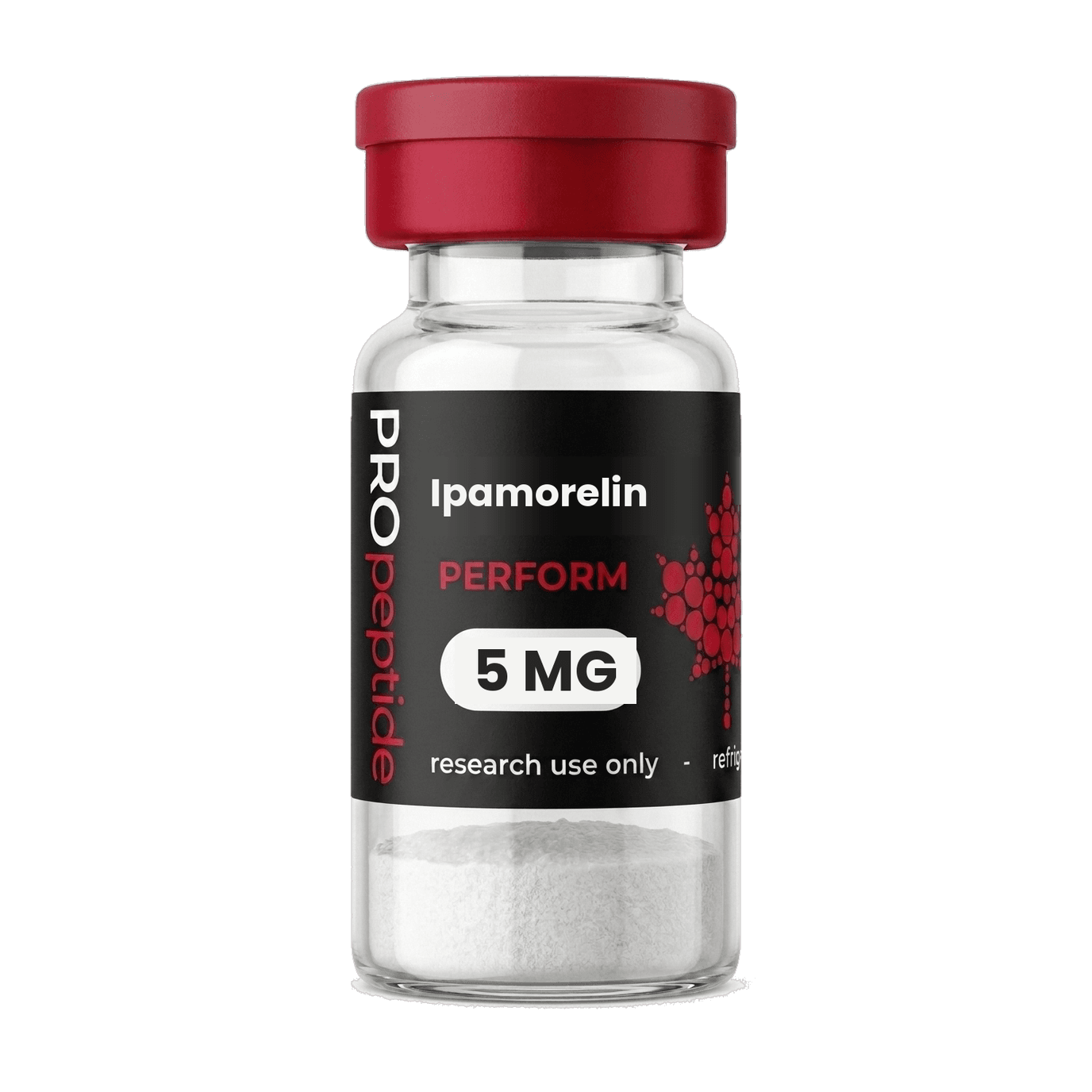
The polite one. A Novo Nordisk ghrelin agonist defined by what it does not release: no meaningful cortisol or ACTH even at high doses, which is the entire reason anybody remembers it.
Three amino acids your own liver assembles constantly. The cosmetic injectable evidence comes down to one 32-patient trial that landed at p equals 0.054, which is a number worth sitting with.
A seven-residue fragment built in Moscow, sold in Russian pharmacies as nasal drops, and listed among that country's Vital and Essential Medicines. The Western file on it is nearly empty. Both facts are true at once.
The sibling no sponsor ever developed and no regulator ever approved. Its published human record is substantially adverse-event case reports, which is a sentence worth reading twice.
A pan-agonist of the estrogen-related receptors, the orphan receptors no hormone ever claimed. No amino acids anywhere in it, and no human has ever been dosed with it in a trial.
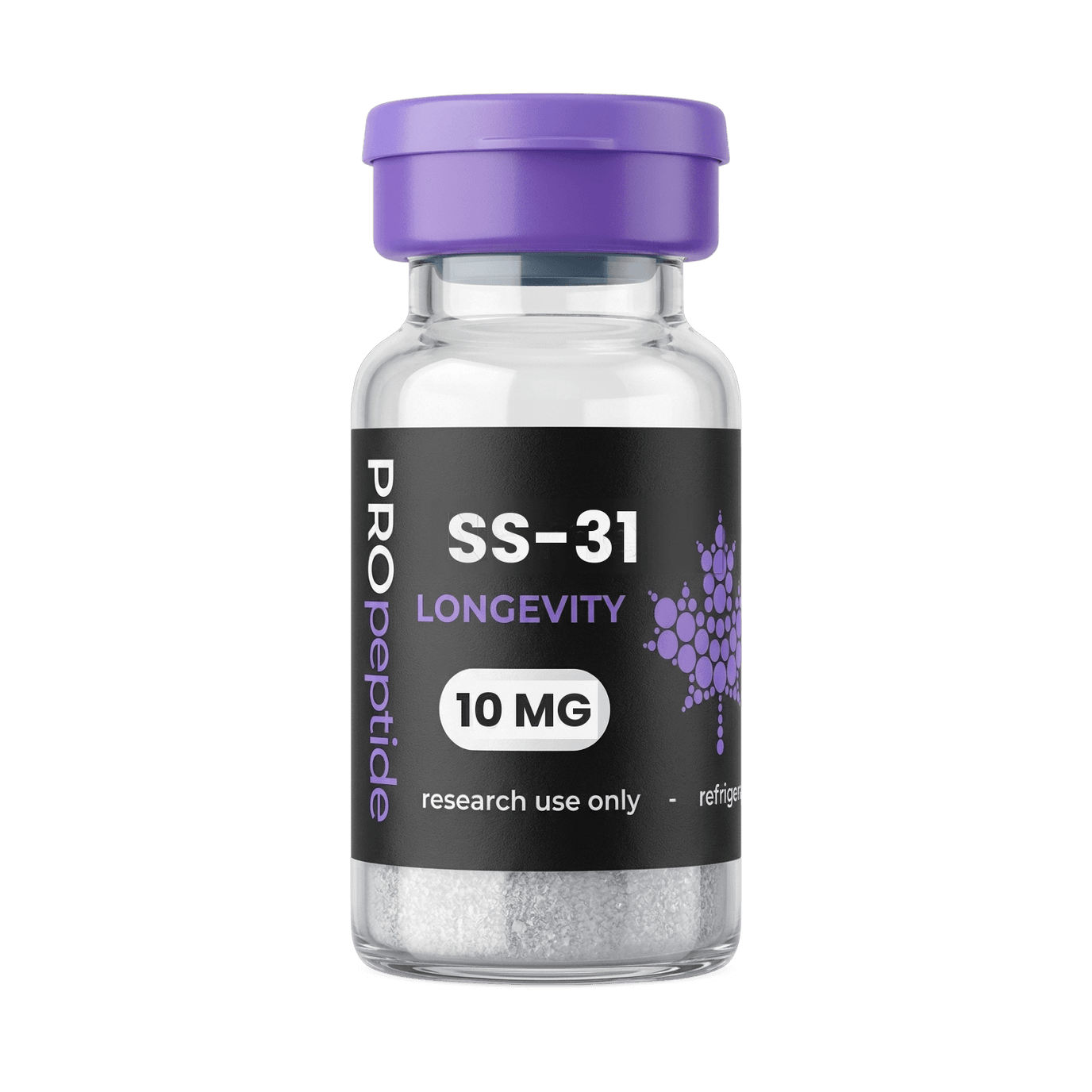
A tetrapeptide that parks itself on cardiolipin, the lipid mitochondria keep for themselves. FDA approved it in September 2025 for Barth syndrome, on data from 12 patients, which is a story about rare-disease medicine.
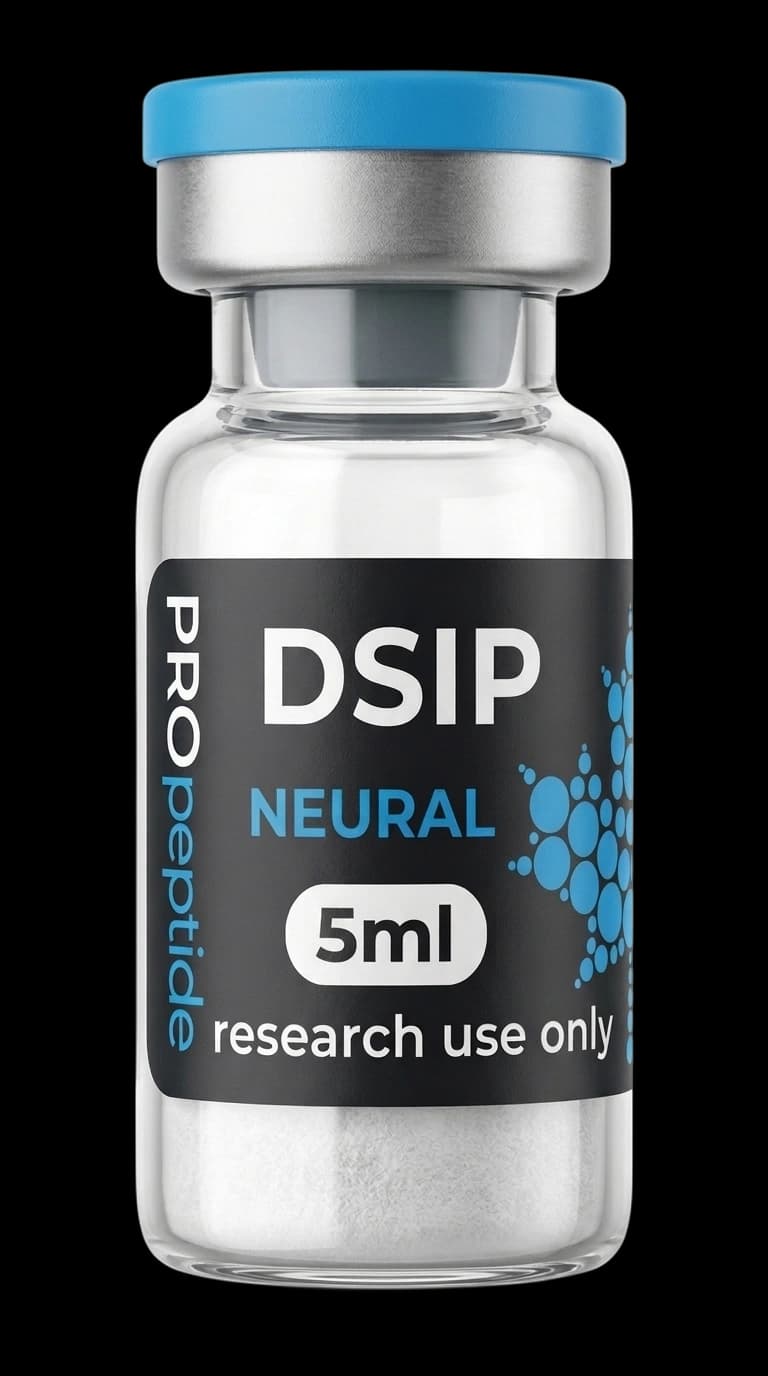
Delta Sleep-Inducing Peptide. Boldest name in the catalogue by a distance, and the human file behind it is about five studies, all from between 1981 and 1992.
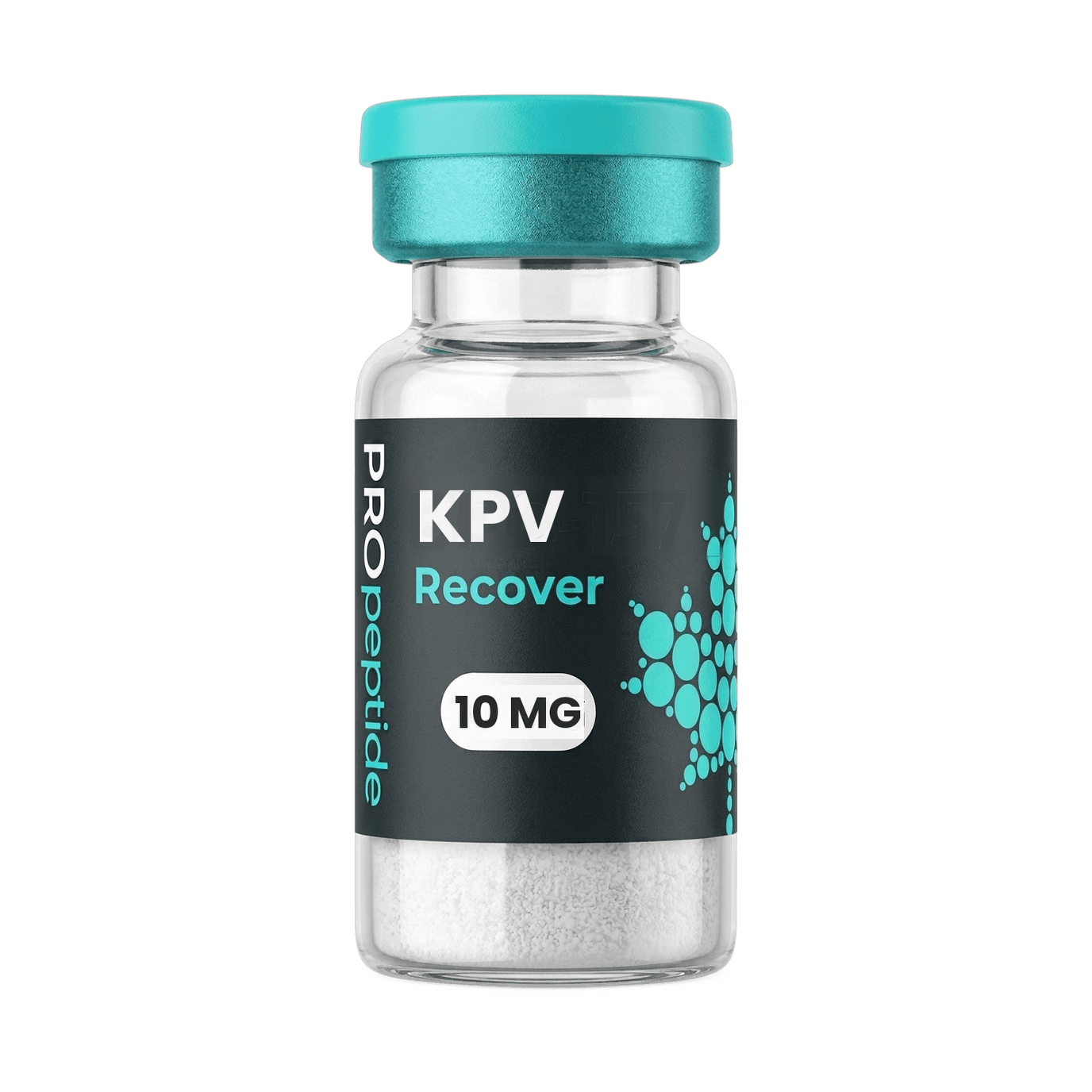
The last three residues of alpha-MSH, which turn out to carry the anti-inflammatory signalling while leaving the tanning and appetite business behind with the parent.
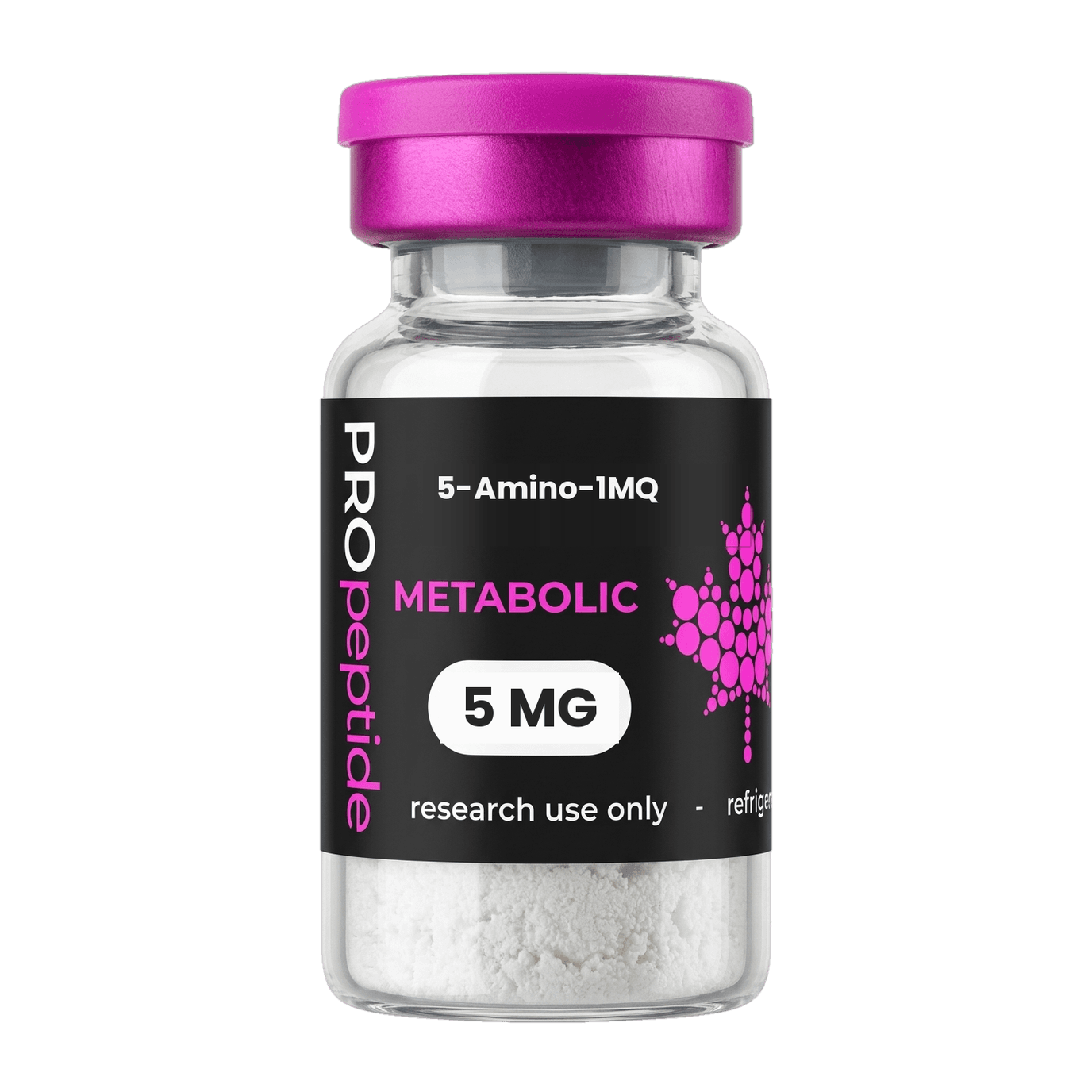
Another one with no amino acids in it, sitting in the peptide aisle under false pretences. Cation mass 159.21, which is roughly a tenth of the smallest actual peptide we stock.
Its main job worldwide is keeping cells alive in laboratory flasks. That is not a slight, it is a large and legitimate industry, and it is what this molecule was built for.
In 1950s Rome one clinician made a claim about this hormone that the evidence never supported. Seventy years later the claim is still in circulation and still unsupported.
Two different levers on the same pituitary axis, supplied in one blend. The rationale is real physiology. The pairing itself has never been studied, and those are different facts.
Modified GRF 1-29: the same stabilised GHRH analogue without the albumin anchor. It clears in minutes instead of days, and that difference is the entire product.
The alpha-MSH analogue that grew up and got approved as SCENESSE for a rare light-sensitivity disorder. The approved product is a subdermal implant in a clinic. This is not that, and the difference is the page.
EPO's peace-treaty fragment: it keeps the tissue-protection signalling and cannot touch red blood cells at all. Roughly 193 people studied, last trial finished in 2015.
It has no sequence and no CAS number, because it is not a molecule. It is an extract of calf thymus, still in clinical use across Russia, and that combination is genuinely unusual.
Your pancreas sends two signals every time you eat, not one. Almost nobody outside the field has heard of the second one. Cagrilintide is a long-acting copy of it.
Semax's labmate from the same Moscow institute, built off an immune peptide called tuftsin. Registered in Russia, studied almost entirely without placebo controls, unknown to Western regulators.
For twenty years GIP was the incretin receptor nobody wanted, written off as the one that was not earning its place in the system. Tirzepatide was built to pull it on purpose, and the field had to go back and re-read its own literature.
Bremelanotide, the melanocortin agonist that went all the way to FDA approval in 2019, carrying a documented blood pressure signal and a hyperpigmentation risk on its label.
Licensed in more than thirty countries as Zadaxin, which makes it the diplomat of this catalogue. Its biggest randomised trial found no mortality benefit, and both facts belong in the first sentence.
Your mitochondria carry their own tiny genome, and it turns out that genome writes peptides. This is the famous one. The FDA searched six databases in 2026 and found no human trial data at all.
Four residues with a famous backstory that belongs to a different substance. The cited longevity studies used epithalamin, a bovine pineal extract, and the FDA has said plainly they are not the same thing.
The master switch of the reproductive axis, named after Hershey's Kisses because it was discovered in Hershey, Pennsylvania. Twenty years of academic trials, no approval, and an explicit sport ban for men.
The trial read out and it did not work. So rather than shelve the compound, somebody changed what it was for a living. That is the whole story and it is why you can buy it.
Cut six amino acids off the front of a peptide and it got roughly ten thousand times more active. That result, from 1987, is the reason this entire shelf exists.
The shortest piece of GHRH that still works properly, residues 1 through 29. The other fifteen turned out to be packaging, which somebody had to actually go and prove.
Every dual agonist on this shelf was designed by somebody. This one is based on a molecule your own gut has been making the whole time.
Six residues from 1976 that made research subjects hungry twenty years before anybody knew why. The why turned out to be ghrelin, and this molecule is how the field found it.
GHRP-6 plus one methyl group, exactly 14.03 daltons heavier, and suddenly it has a second target in cardiac tissue. The best-documented desensitisation data in the family is also here, and it is not flattering.
Nearly everything written about this compound is actually about a different molecule. Sorting out which is which is most of the work of understanding it.
The full 43-residue protein, not the seven-residue fragment everyone calls TB-500. Nearly five kilodaltons of actin-binding peptide, and the distinction is the whole point of this page.
It has no amino acids in it. None. It is sitting in the peptide aisle the way a golf cart sits in a bike rack, and the pharmacology is genuinely more interesting than the filing error.
The first peptide hormone anyone ever built by hand instead of grinding out of a gland. That synthesis won the 1955 Nobel, and two residues separate it from vasopressin, a completely different hormone.
A fragment derived from CNTF wearing an adamantane cage so it can cross into the brain. Orally active in mice, studied in dementia models, and no human has ever taken it in a trial.
Most compounds are built to talk to a cell. This one was built to find an address and take the building down. That difference is the entire reason to be careful with it.
The internet's favourite research pairing, supplied together in one order. Exactly one controlled experiment has tested whether combining them adds anything, and we quote it below.
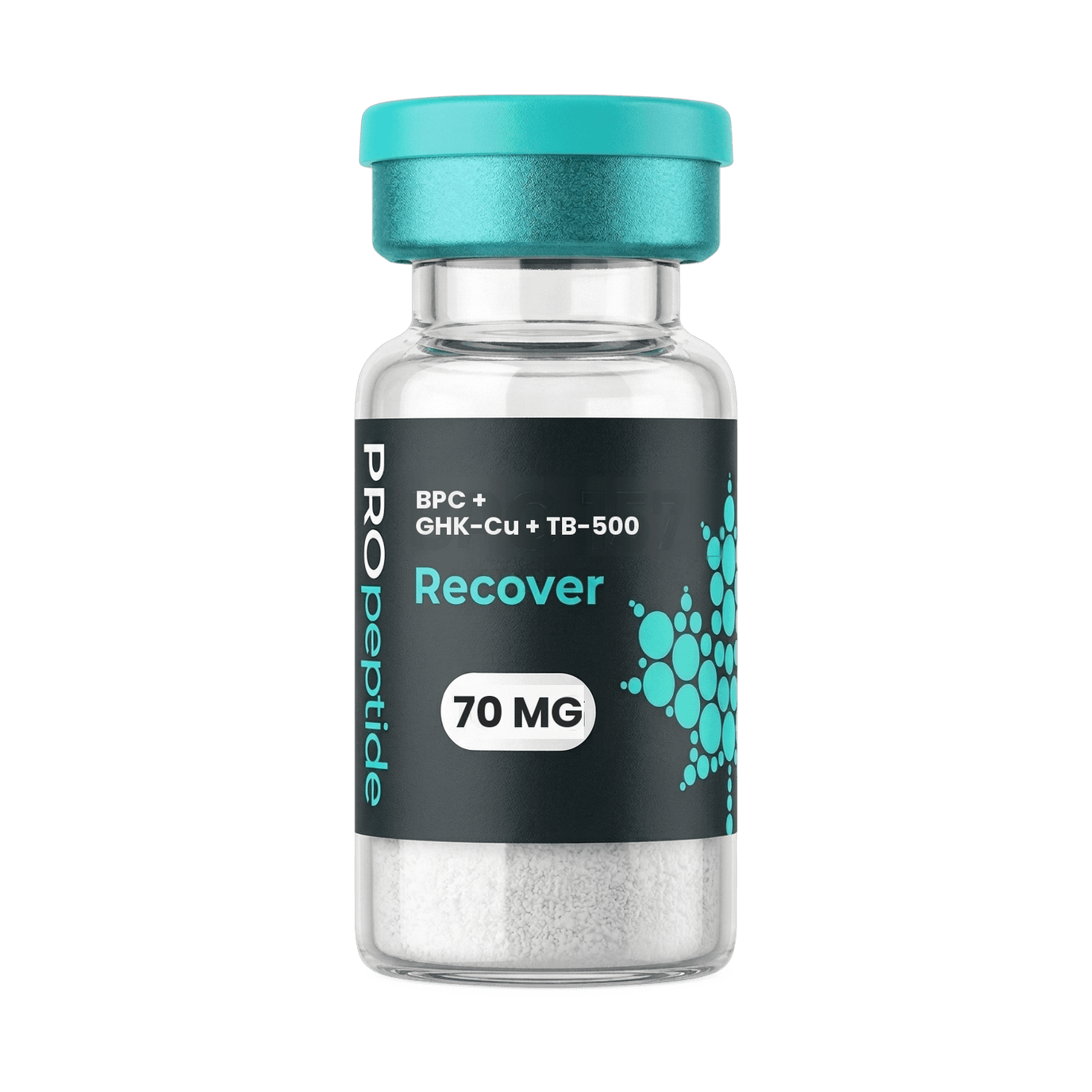
Three research compounds sharing one vial: BPC-157, GHK-Cu and TB-500, plus a copper atom with an open coordination site. No published study on the combination.
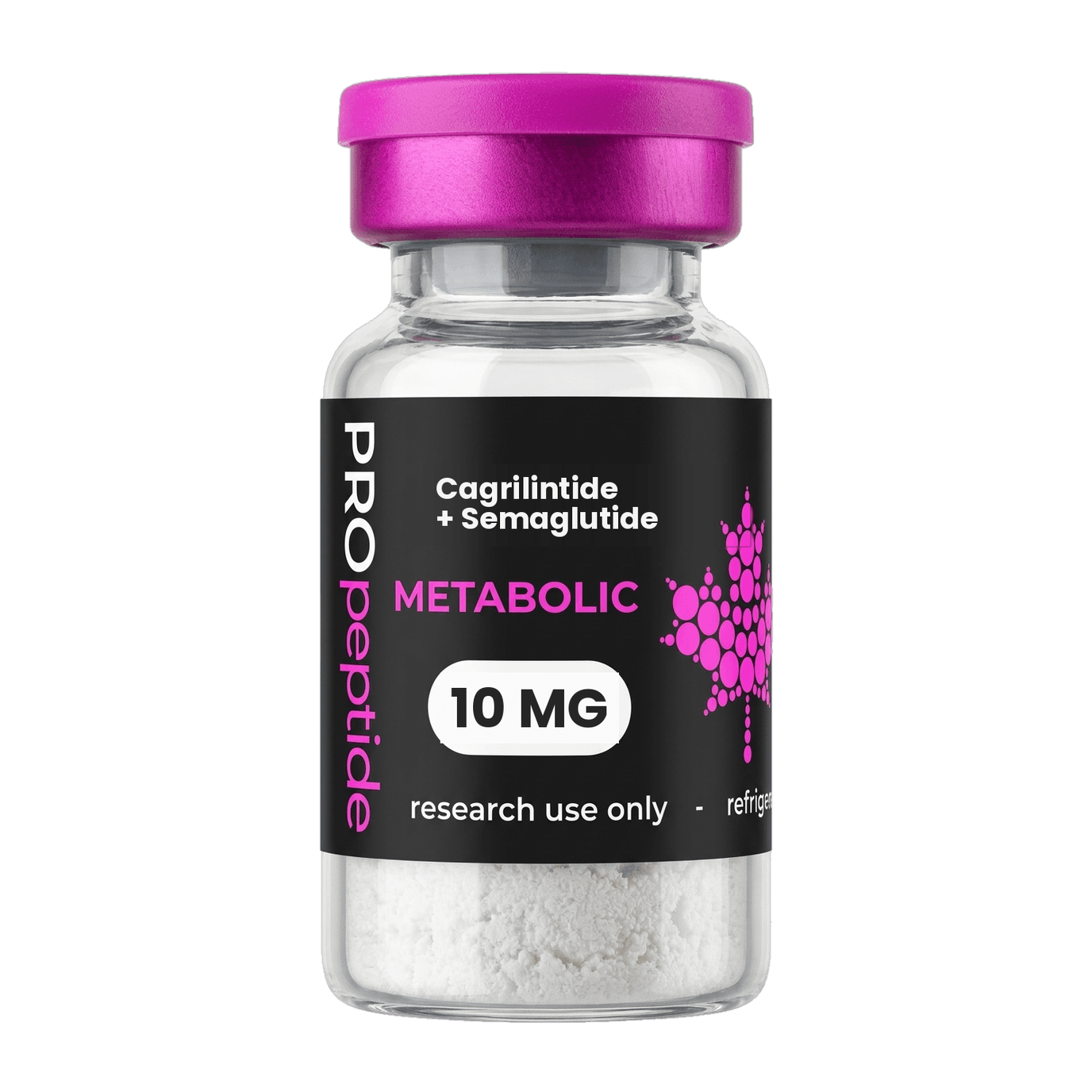
Two different satiety signalling systems in one vial. Which sounds simple until you try to work out which half any given result belongs to.
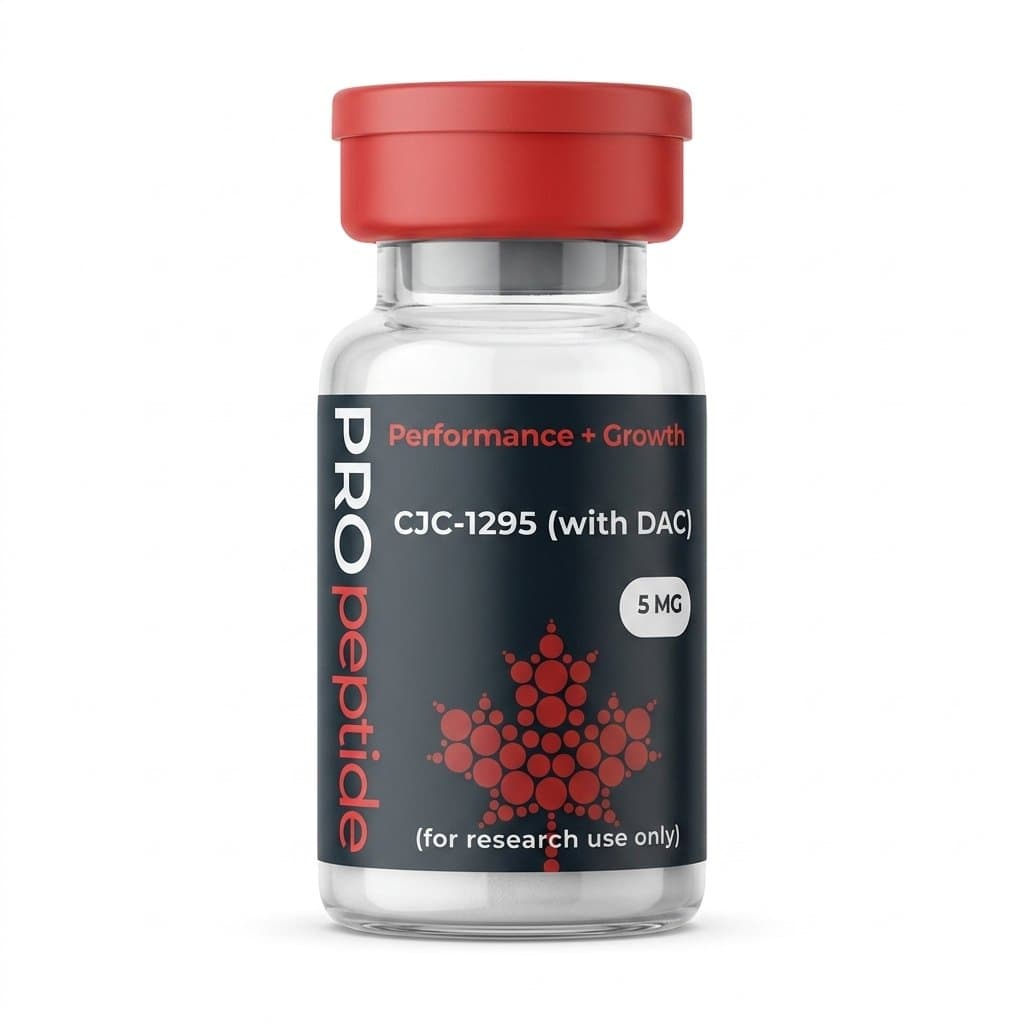
A GHRH analogue that bolts itself to your albumin and refuses to leave. A 2006 study measured the half-life at 5.8 to 8.1 days, which for this signalling system is either the feature or the entire problem.
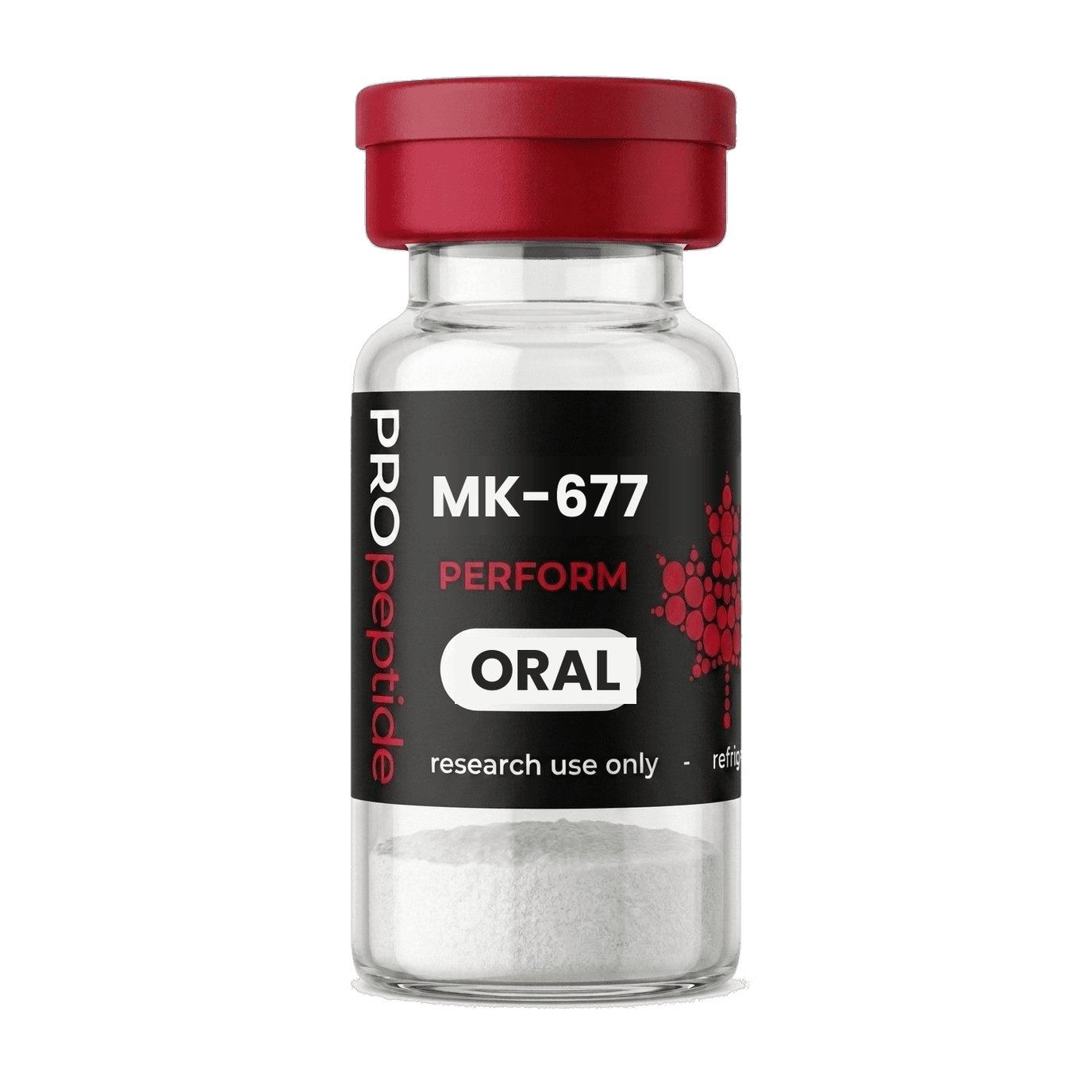
Not a peptide. Merck built a small molecule to impersonate one, specifically so it would survive swallowing, and it carries more randomised human data than anything else in this category.
The one with an actual approval. Japan cleared it as a growth hormone diagnostic, sold as GHRP Kaken 100. Never approved in North America for anything.
GnRH itself, the exact ten-residue pulse your hypothalamus sends. Its discovery won the 1977 Nobel. Every human product of it in Canada is cancelled; the marketed DINs are for cattle.
Three amino acids missing off the front, and the whole point is what that does to where it goes rather than how hard it binds.
Your body makes exactly one cathelicidin. This is it, all 37 residues, and its lead clinical candidate did not clear phase 2b.
Two pharmaceutical companies tried to reproduce the finding this molecule is famous for. Neither could. It has still never been isolated from actual tissue.
Nobody publishes what is actually in this. No sequence, no PEG weight, no pharmacokinetic study exists for the thing sold under this name. That is not a gap in the research, it is a gap in the product.
BPC-157's arginate salt sibling. Same fifteen residues, different packaging, and a published literature of its own that rounds to zero.
GHK-Cu's synthetic cousin, one residue different, same copper habit. Its entire independent evidence base is a single study from 2007.
A peptide preparation made from pig brain, used in clinics across half the world. A 2023 Cochrane review found no mortality benefit and a 2.39 relative risk of serious adverse events. We are leading with that on purpose.
Three of the foundational papers behind this compound were retracted in 2025. One independent rodent study is still standing. That is the honest state of it and most sellers have not updated.
Cholera taught researchers how the gut's tight junctions swing open. Larazotide is the counter-move, and its phase 3 stopped for futility in 2022. The whole arc is on this page.
The unprocessed precursor, all 344 residues with the signal peptide still attached. The protein your body actually secretes is a different animal: 315 residues and 36 cysteines folded just so.
The parent molecule of half this shelf. Forty-four residues built in the hypothalamus, and DPP-4 takes it apart in minutes, which is why every analogue downstream of it exists.
Seven residues that shut a potassium channel called TREK-1. One laboratory, one paper, and a number so striking that the right response is to wait for somebody else to see it too.
Swap one D-tryptophan into position six of GnRH and you get a superagonist thirteen times stronger in rats. It ended up shutting the axis down, not up, and that inversion is the whole story.
Without a zinc atom it is completely inert. Not less active. Inert. The metal is not a supporting player here, it is half the molecule's identity.
The least glamorous thing in the catalogue, and the one with a 35-trial human evidence base in osteoarthritis. A batch-variable hydrolysate, not a defined molecule, and honestly the best-evidenced item on this shelf.
A glycoprotein that is roughly forty percent sugar, first purified in 1977 from patients' urine. The sialylation is what keeps it circulating, which is a manufacturing problem no small supplier can honestly solve.
The original incretin, exactly as your gut makes it, no edits. Plasma half-life about one minute, which is why every famous analogue exists and why this one is strictly a reference material.
Not a molecule. FSH and LH activity extracted from postmenopausal urine and standardised in international units. Still marketed in Canada in 2026, which makes it the rare extract with live approvals.
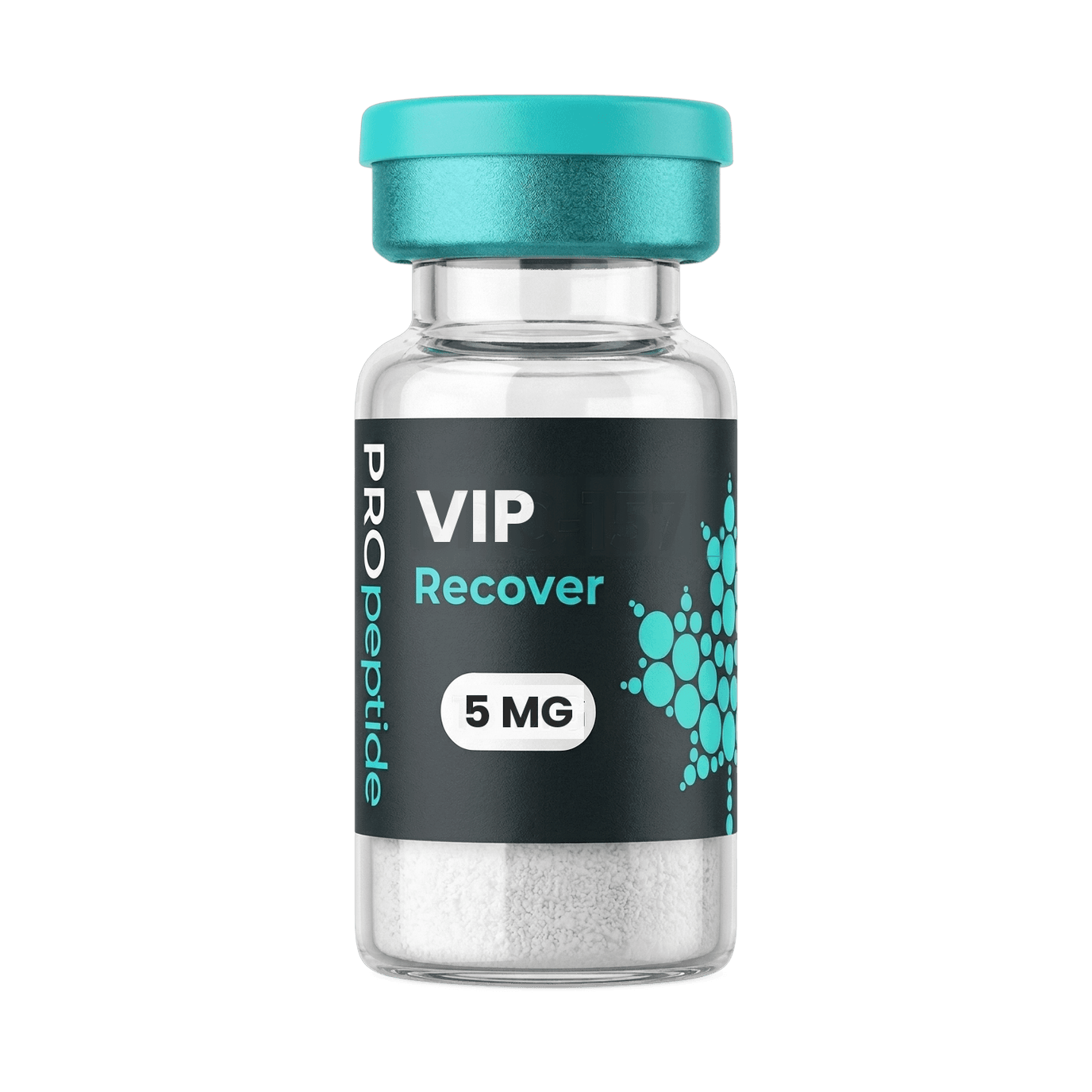
Found in pig intestine in 1970, then it kept turning up everywhere else: lungs, brain, pancreas, immune cells. Its 461-patient phase 3 stopped for futility, which is a specific word with a specific meaning.
The Peptide Planner matches compounds to your research and does the dosing math for you.
Open the Planner