
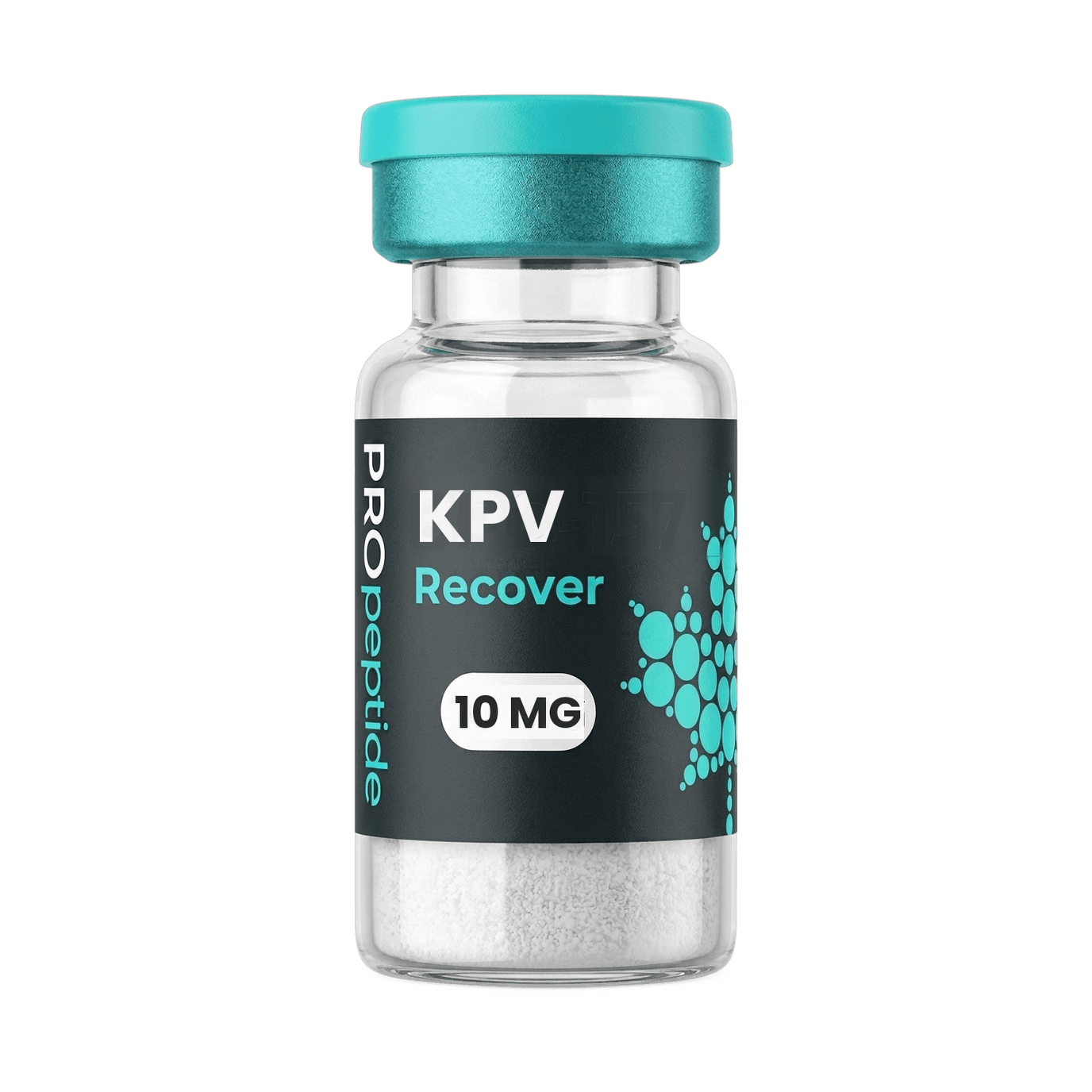
KPV Peptide
Three amino acids off the end of alpha-MSH, and it appears to work through a transporter rather than a melanocortin receptor.
Choose your pack
For research use only. Not for human or veterinary use.
What KPV is
The plain-language version, first.
It is studied as the C-terminal tripeptide of alpha-MSH for effects on inflammatory signalling and gut barrier function, primarily in cell and animal models.
This is the shortest real peptide we stock. Three amino acids: lysine, proline, valine. K, P, V. The name is just the sequence, wearing no disguise.
It is the tail end of alpha-MSH, a hormone with a famously crowded job description, and the tail turns out to do one job on its own.
Alpha-MSH signals skin pigmentation, appetite, inflammation and more, through a family of melanocortin receptors.
Clip off the last three residues and the receptor activity goes away, but an anti-inflammatory signal, in models, stays.
A fragment that kept one verb from its parent's whole paragraph. How it manages that is the genuinely odd part.
What KPV peptide actually does
Mechanism studied, not outcome promised.
Here's the twist that makes KPV more than a trivia answer.
It does not work through its parent's receptors. Three residues are too few to properly work a melanocortin receptor at all.
Instead, the gut-model work points at KPV entering cells through a transporter called PepT1, a doorway meant for absorbing digested protein.
Inside the cell, the proposed action is interference with inflammatory signalling machinery directly, no receptor handshake required.
A peptide small enough to ride the food-absorption transporter is a genuinely different mechanism class from everything else on this shelf.
Here's the honest part. Elegant entry mechanism, models-only evidence.
Mouse colitis models, mostly. Reported earlier resolution and less tissue damage. The words mouse and model are doing structural work in that sentence.
The research so far for KPV
Where the evidence is thin, we say so.
The file is small, focused and honest about where it lives: the gut.
Mouse colitis models are the core of it, with reported reductions in inflammation markers and tissue damage, plus the PepT1 uptake work that gives the field its mechanism.
It is coherent little literature. Coherent, little, and animal. All three adjectives earned.
No human trials. Nothing approved. Not much hype either, honestly, which is almost refreshing for this shelf.
Three residues, one focused body of animal work, and a genuinely novel way into the cell. A small file that is at least the right shape.
KPV 10mg lyophilised. Ships same day out of BC.
KPV specs
The chemistry, exactly as released.
Who studies KPV
Who tends to order this one, and why.
- 1
Inflammatory bowel disease research
Mouse DSS colitis, TNBS colitis and CD45RB-high transfer colitis are the models where the effects were demonstrated.
- 2
Transporter pharmacology
PepT1 is normally studied as a nutrient transporter. Using it as a delivery route into inflamed epithelium is an unusual and elegant idea.
- 3
Drug delivery
Xiao and colleagues needed hyaluronic-acid-functionalised nanoparticles in a hydrogel to get KPV through oral administration in mice, and topical delivery required microneedles.
- 4
Melanocortin pharmacology
The negative binding data is a useful correction to the assumption that a hormone fragment automatically retains its parent receptor activity.
Sold for laboratory research only. This is not guidance for personal use, and nothing here is a recommendation.
KPV backstory
How it got here.
Alpha-MSH has been known as an anti-inflammatory molecule for a long time, quite separately from its role in pigmentation. The question researchers asked was which part of it carried that activity.
Getting and colleagues dissected exactly that in the Journal of Pharmacology and Experimental Therapeutics in 2003, separating the contributions of the core sequence and the C-terminal KPV tripeptide.
The gut application came later and from a different direction, once PepT1 was understood as a transporter that moves small peptides into intestinal epithelium and is upregulated in inflammation. A three residue anti-inflammatory peptide and a transporter that carries three residue peptides into exactly the tissue you want to reach is a neat fit, and Dalmasso and colleagues put the two together in 2008.
Development beyond animal models has not happened. The original nomination to FDA came from a compounding pharmacy and was withdrawn; FDA evaluated the substance on its own initiative.
- 1
Which part of alpha-MSH does the anti-inflammatory work
Getting and colleagues dissected the contributions of the core sequence and the C-terminal KPV tripeptide in 2003.
- 2
A transporter that fits
PepT1 carries di- and tripeptides into intestinal epithelium and is upregulated in inflammation. A three residue anti-inflammatory peptide is exactly the right size.
- 3
Put together in 2008
Dalmasso and colleagues demonstrated PepT1-mediated uptake and NF-kappaB reduction in cells, and benefit in two mouse colitis models.
Buying KPV in Canada
What ships, how fast, and the paperwork.
The mechanism is more specific than the marketing. KPV appears to work by being carried into epithelial cells by the PepT1 transporter, not by binding melanocortin receptors. That is a real and interesting mechanism, and it is also a constraint, since a transporter-dependent effect operates where the transporter is.
Same day out of British Columbia. Our building, our cold packs, our people, and nothing sitting in a customs queue while you refresh a tracking page.
Then into the fridge. Keep it cold and keep it dark. Sealed and freeze-dried it handles a rough trip without ice. Once it lands, fridge.
Common questions
5 answers, none of them dodges.
Does KPV work through melanocortin receptors?
The binding data says no. KPV failed to displace radiolabelled alpha-MSH from rat brain tissue, from murine melanoma cells and from MC1R-expressing murine macrophages, and unlike alpha-MSH it did not raise cyclic AMP in MC1R-expressing cells. The better-supported mechanism is uptake by the PepT1 di- and tripeptide transporter followed by reduced NF-kappaB signalling inside the cell.
Are there human studies of KPV?
None that FDA could identify. Preparing for its July 2026 advisory committee, FDA searched PubMed, Embase, ClinicalTrials.gov, DailyMed and Drugs@FDA and did not identify clinical studies on KPV administered in humans. Of the nine references submitted with the nomination, eight were animal studies and one was a permeation study using human cadaver skin. ClinicalTrials.gov returns no registered studies.
What is PepT1 and why does it matter here?
It is a transporter whose normal job is absorbing di- and tripeptides from digested food, concentrated in intestinal epithelium and upregulated in inflamed intestinal tissue. KPV is three residues, which is exactly what PepT1 carries. That coincidence appears to be the delivery mechanism, and it explains why the demonstrated effects cluster in gut models.
Does topical KPV cross the skin?
Not on its own. Pawar and colleagues tested it across dermatomed human skin in 2017 and found that by simple passive diffusion, permeation was below detectable levels at a limit of detection of 0.01 micrograms per millilitre. Measurable delivery required microneedles, and adding iontophoresis raised it substantially further. That is directly relevant given the nominated product was a 0.1 percent topical cream.
What did FDA decide about KPV?
FDA reviewed it in July 2026 for wound repair and inflammatory skin conditions and recommended against adding it to the 503A bulk drug substances list. Its advisory committee voted in favour, against that recommendation. Committee votes are non-binding and FDA has issued no final decision, so KPV is not on the list today.
Good pairing options with KPV
What researchers stack alongside it.
Pairing is where research gets ahead of itself. These are the compounds researchers put in the same order as KPV Peptide, which is a statement about ordering habits, not about evidence. Two things in one cart have not been studied together unless somebody studied them together.
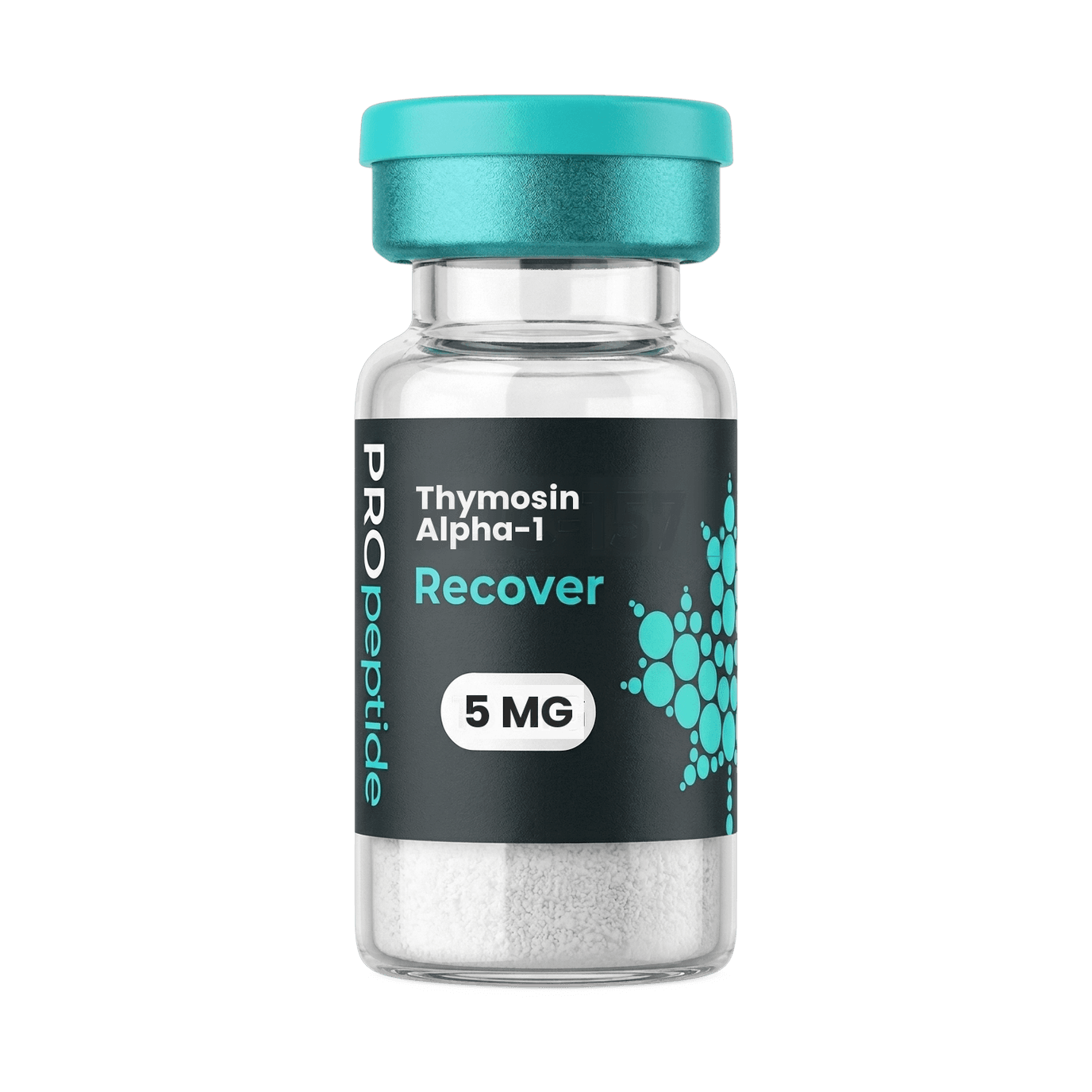
Licensed in more than thirty countries as Zadaxin, which makes it the diplomat of this catalogue. Its biggest randomised trial found no mortality benefit, and both facts belong in the first sentence.
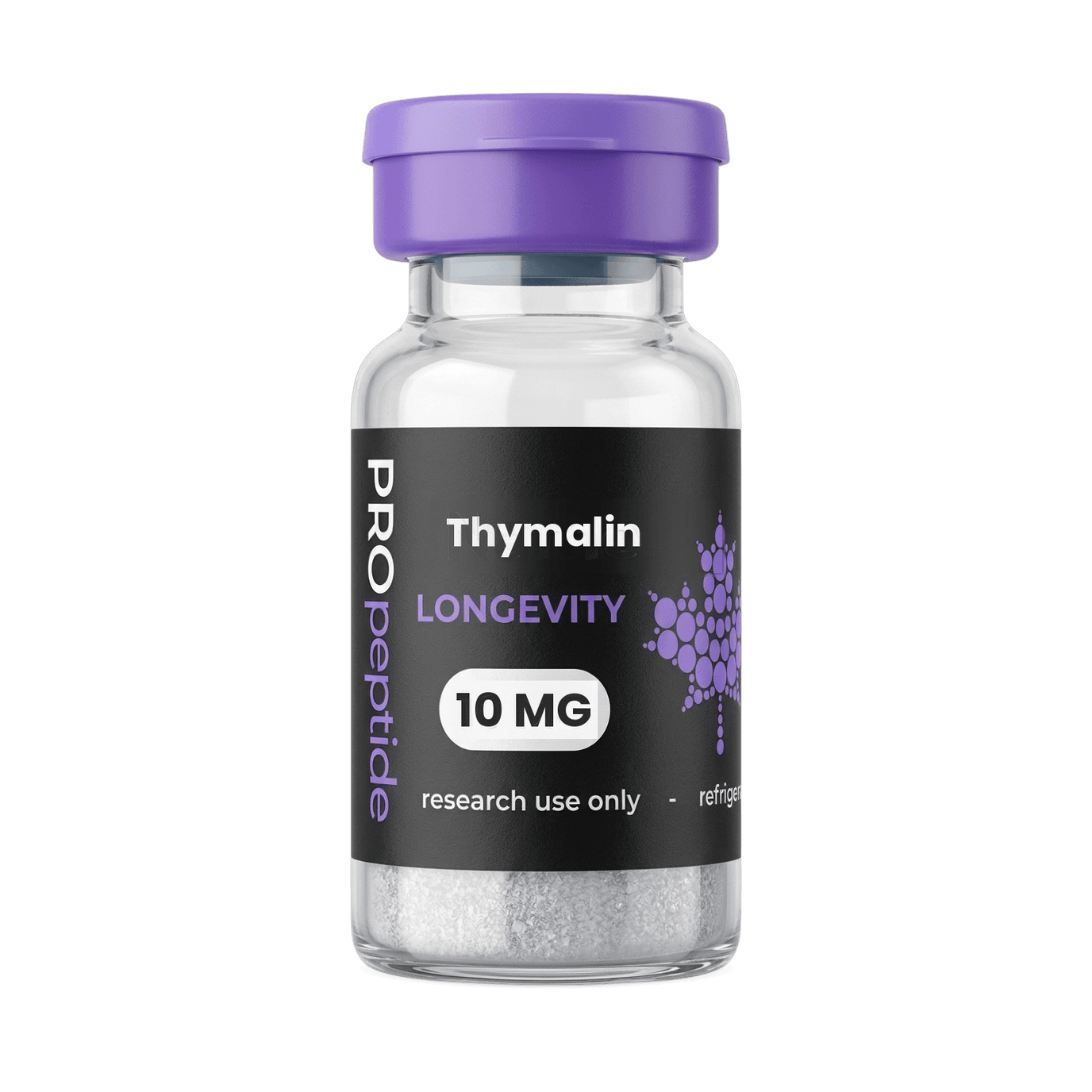
It has no sequence and no CAS number, because it is not a molecule. It is an extract of calf thymus, still in clinical use across Russia, and that combination is genuinely unusual.
It is water. We know. But it is the one bottle on this shelf where the boring ingredient is the entire product, and getting it wrong ruins everything else you bought.
Order KPV right now
One last look before you decide.
Freeze-dried, ships cold from Canada
You've got the whole file now, the thin parts included. Nothing above pretended otherwise. If that's the kind of source you were after, KPV is right here.
Not for human consumption. Not approved by Health Canada or any other regulatory body.
Page last updated October 4, 2026
People also search for KPV
Related searches.