
Shop Perform
24 of 69 compounds
Showing 24 of 69 results
The polite one. A Novo Nordisk ghrelin agonist defined by what it does not release: no meaningful cortisol or ACTH even at high doses, which is the entire reason anybody remembers it.
A pan-agonist of the estrogen-related receptors, the orphan receptors no hormone ever claimed. No amino acids anywhere in it, and no human has ever been dosed with it in a trial.
Its main job worldwide is keeping cells alive in laboratory flasks. That is not a slight, it is a large and legitimate industry, and it is what this molecule was built for.
In 1950s Rome one clinician made a claim about this hormone that the evidence never supported. Seventy years later the claim is still in circulation and still unsupported.
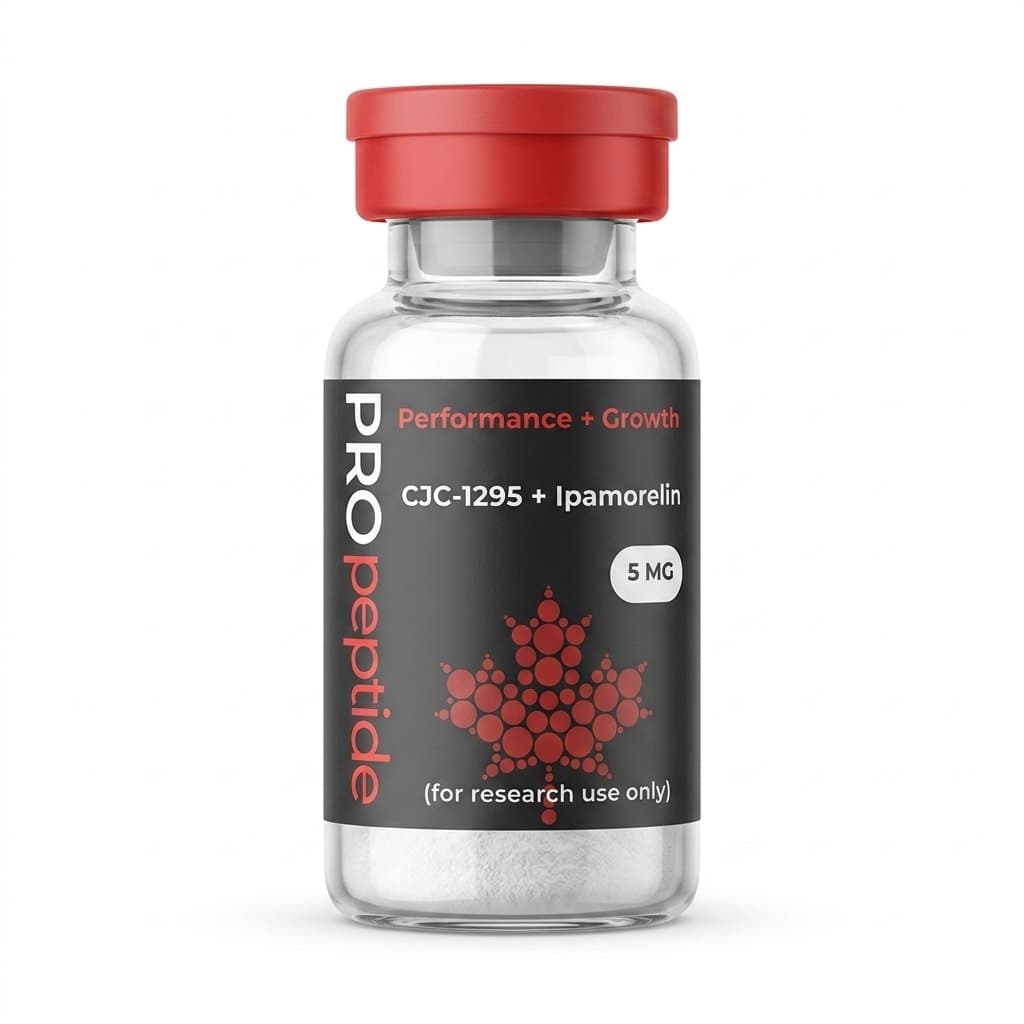
Two different levers on the same pituitary axis, supplied in one blend. The rationale is real physiology. The pairing itself has never been studied, and those are different facts.
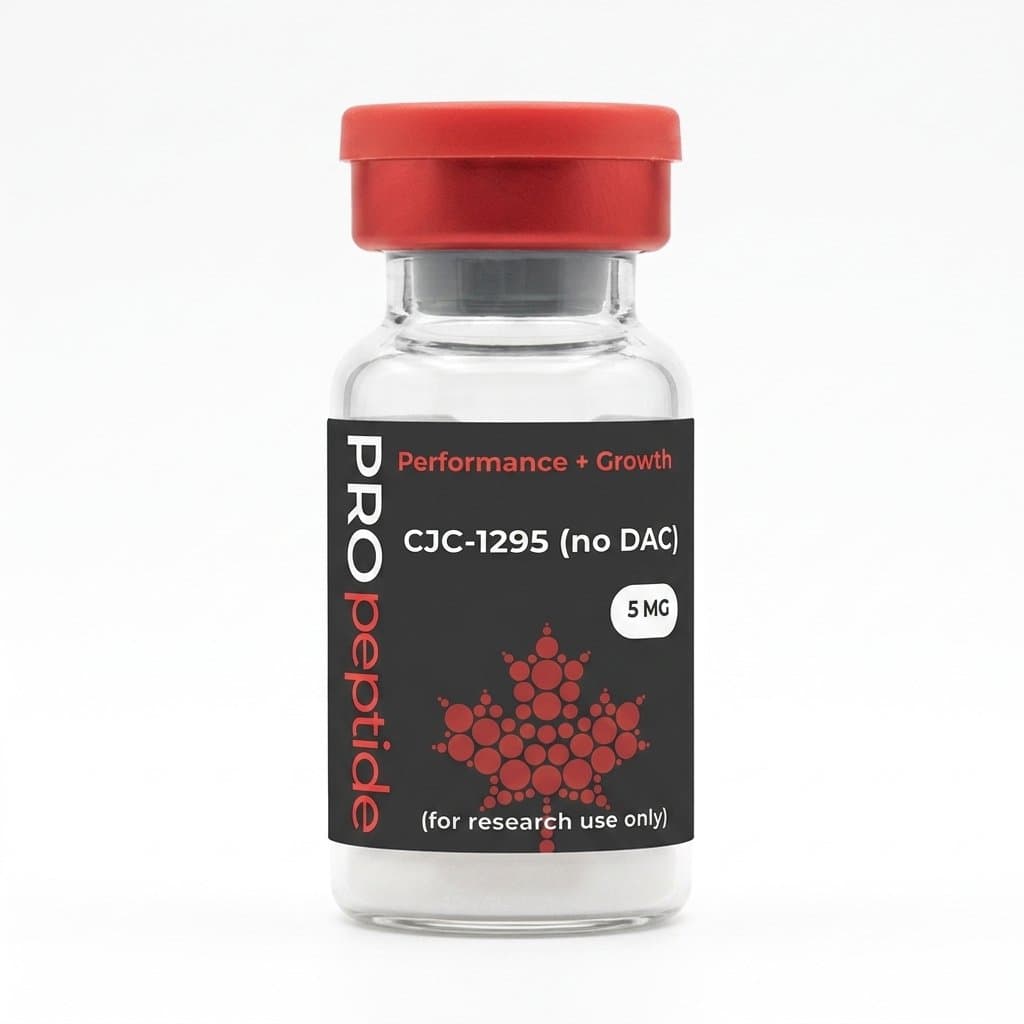
Modified GRF 1-29: the same stabilised GHRH analogue without the albumin anchor. It clears in minutes instead of days, and that difference is the entire product.
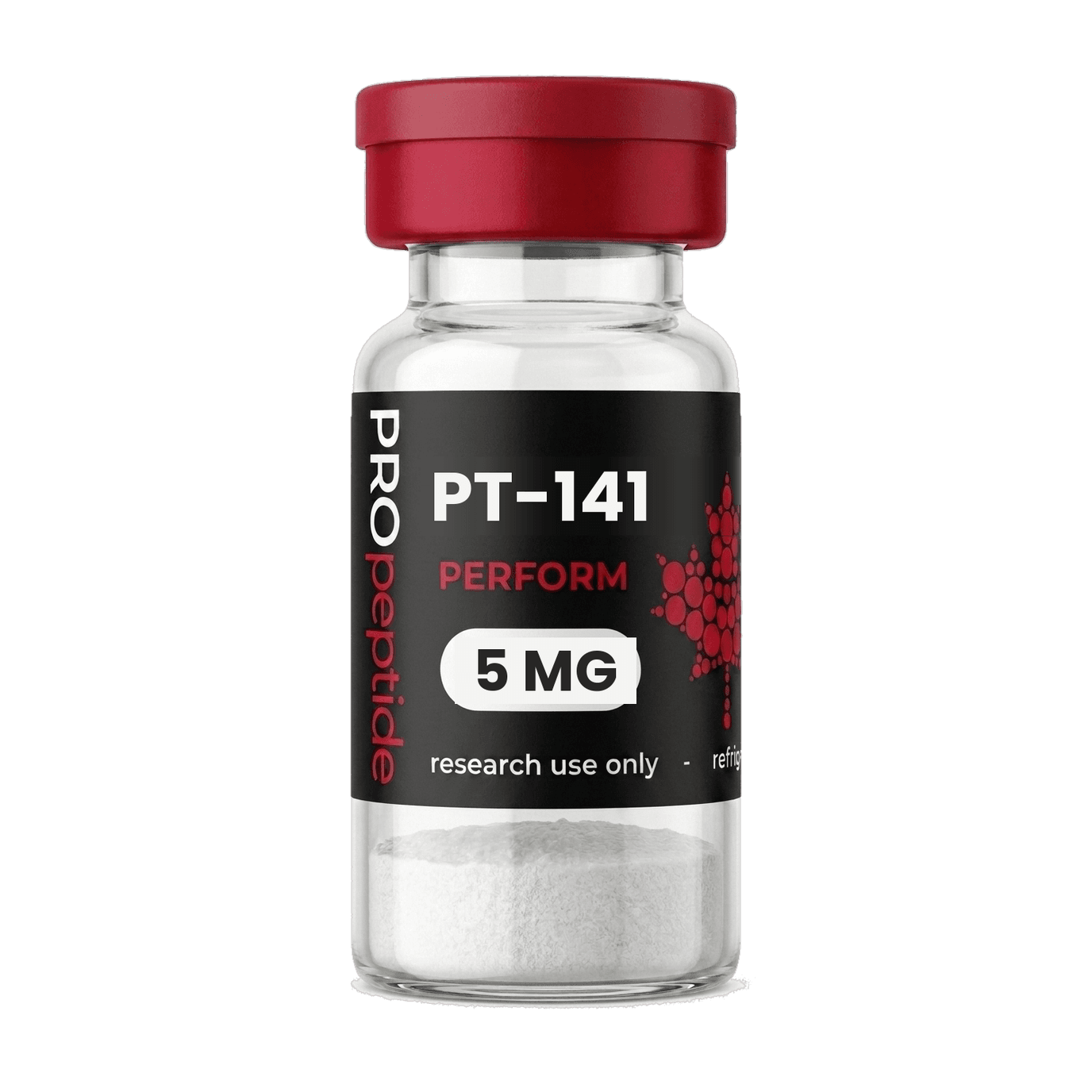
Bremelanotide, the melanocortin agonist that went all the way to FDA approval in 2019, carrying a documented blood pressure signal and a hyperpigmentation risk on its label.
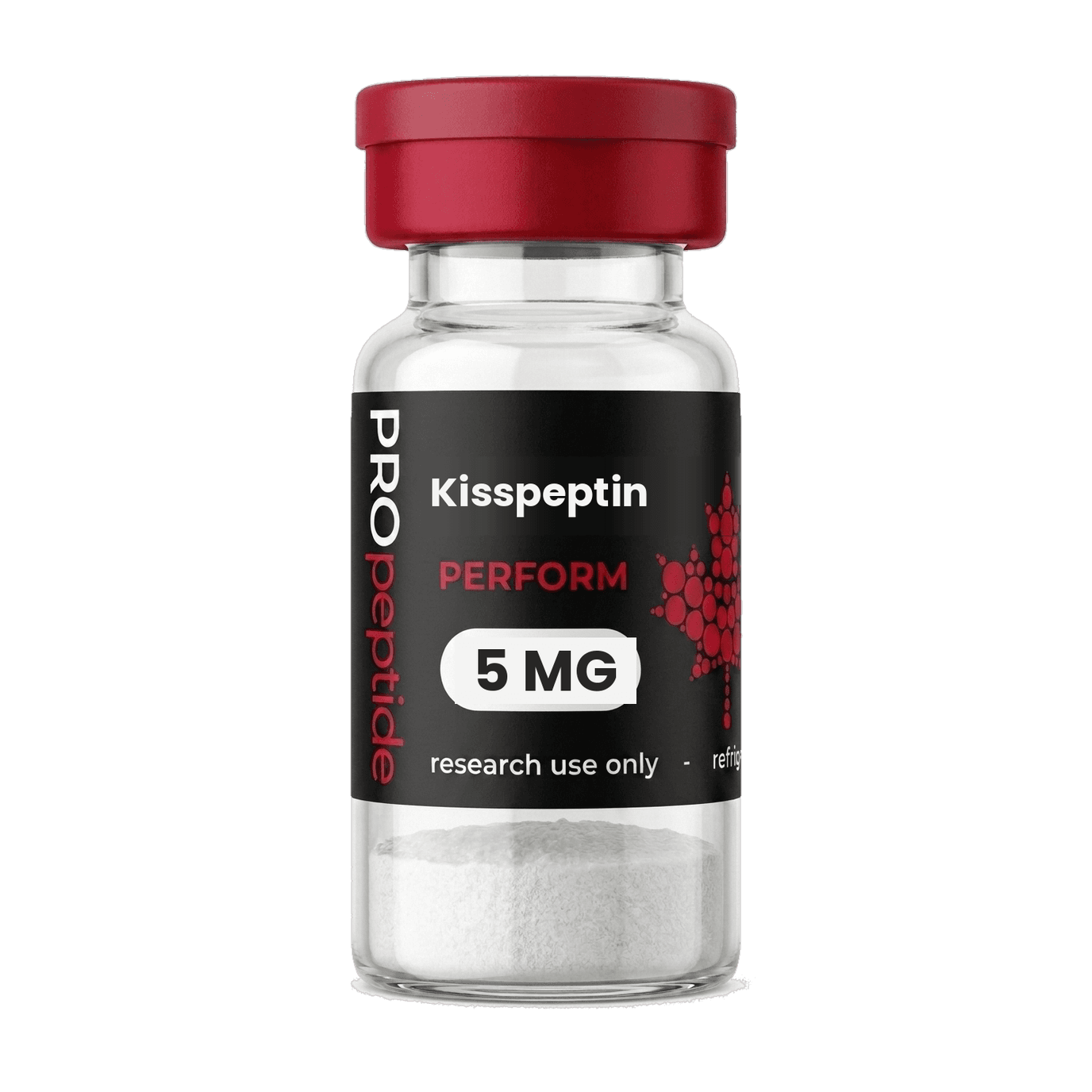
The master switch of the reproductive axis, named after Hershey's Kisses because it was discovered in Hershey, Pennsylvania. Twenty years of academic trials, no approval, and an explicit sport ban for men.
The shortest piece of GHRH that still works properly, residues 1 through 29. The other fifteen turned out to be packaging, which somebody had to actually go and prove.
Six residues from 1976 that made research subjects hungry twenty years before anybody knew why. The why turned out to be ghrelin, and this molecule is how the field found it.
GHRP-6 plus one methyl group, exactly 14.03 daltons heavier, and suddenly it has a second target in cardiac tissue. The best-documented desensitisation data in the family is also here, and it is not flattering.
It has no amino acids in it. None. It is sitting in the peptide aisle the way a golf cart sits in a bike rack, and the pharmacology is genuinely more interesting than the filing error.
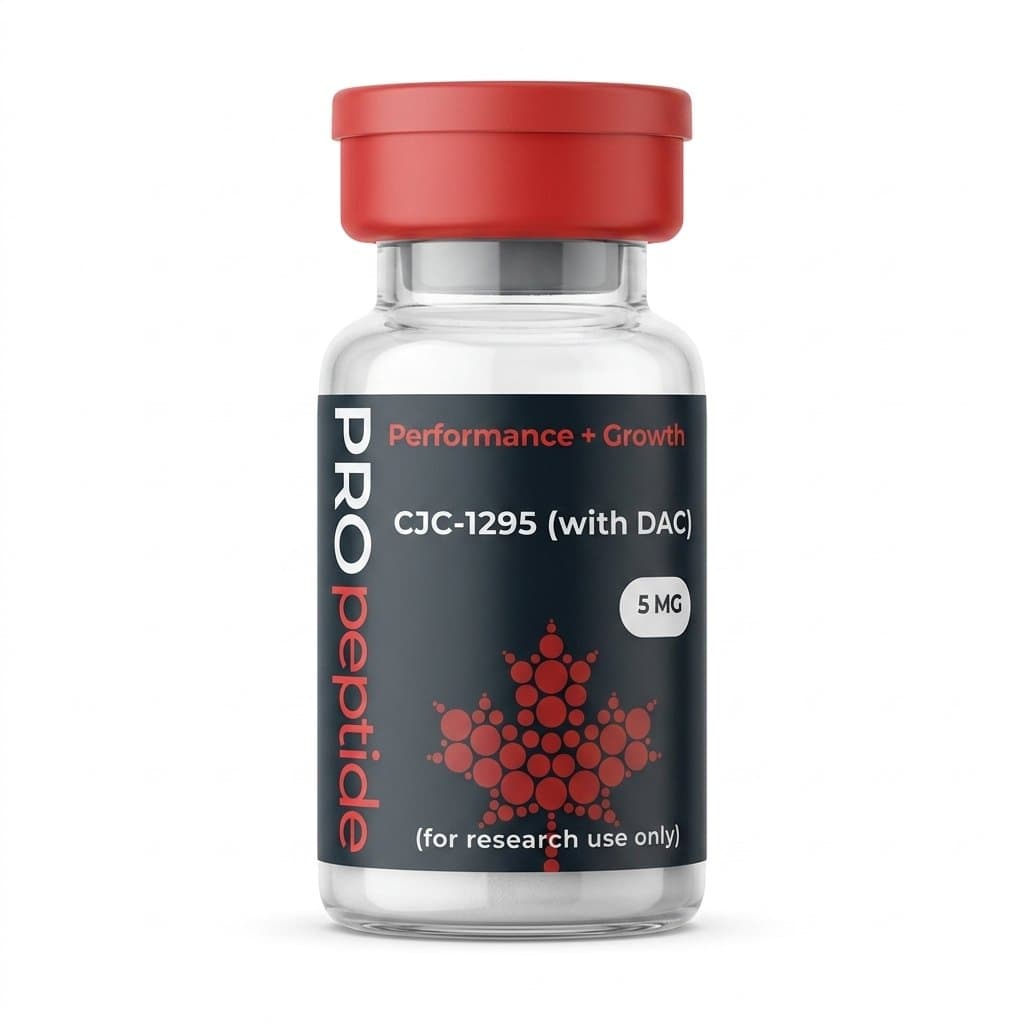
A GHRH analogue that bolts itself to your albumin and refuses to leave. A 2006 study measured the half-life at 5.8 to 8.1 days, which for this signalling system is either the feature or the entire problem.
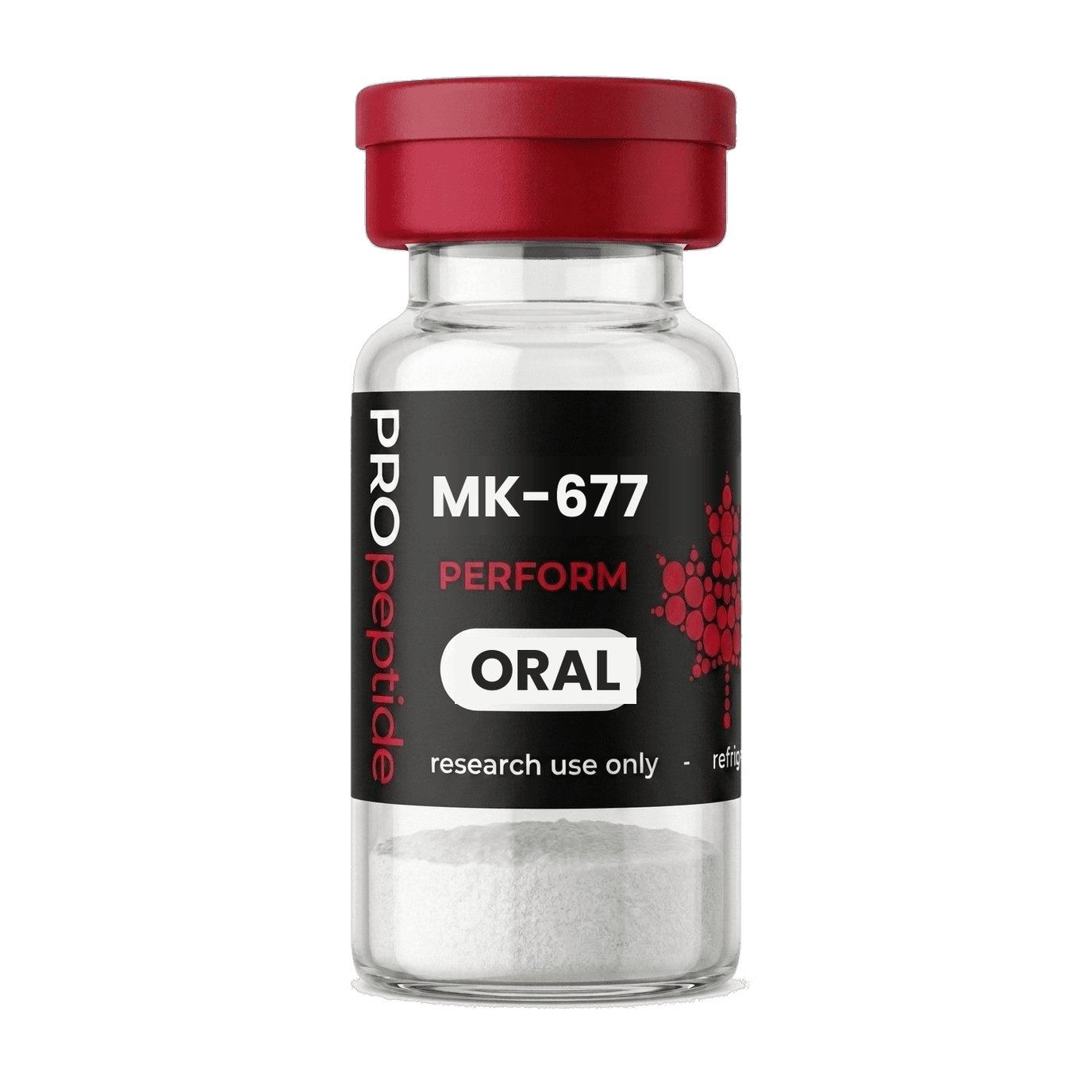
Not a peptide. Merck built a small molecule to impersonate one, specifically so it would survive swallowing, and it carries more randomised human data than anything else in this category.
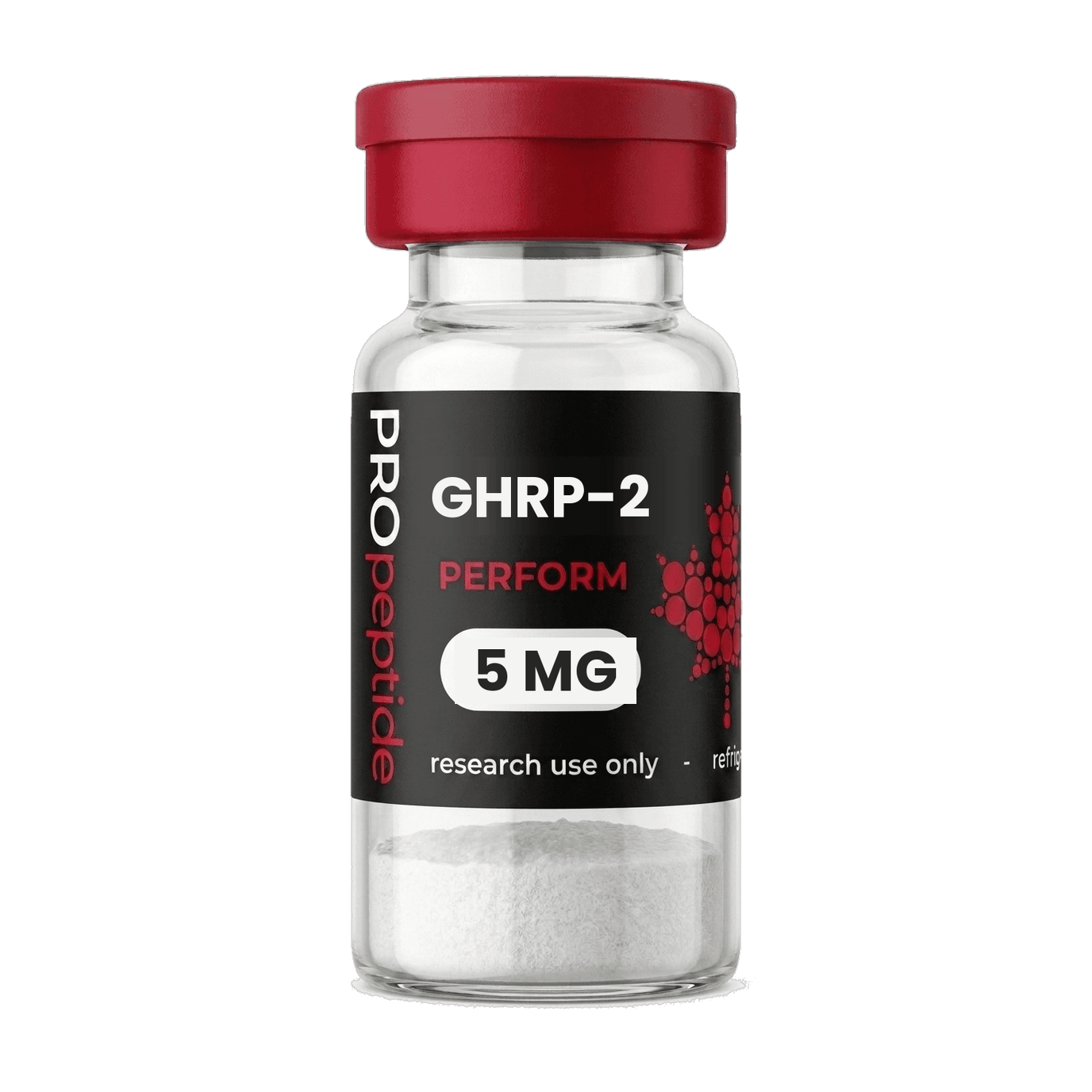
The one with an actual approval. Japan cleared it as a growth hormone diagnostic, sold as GHRP Kaken 100. Never approved in North America for anything.
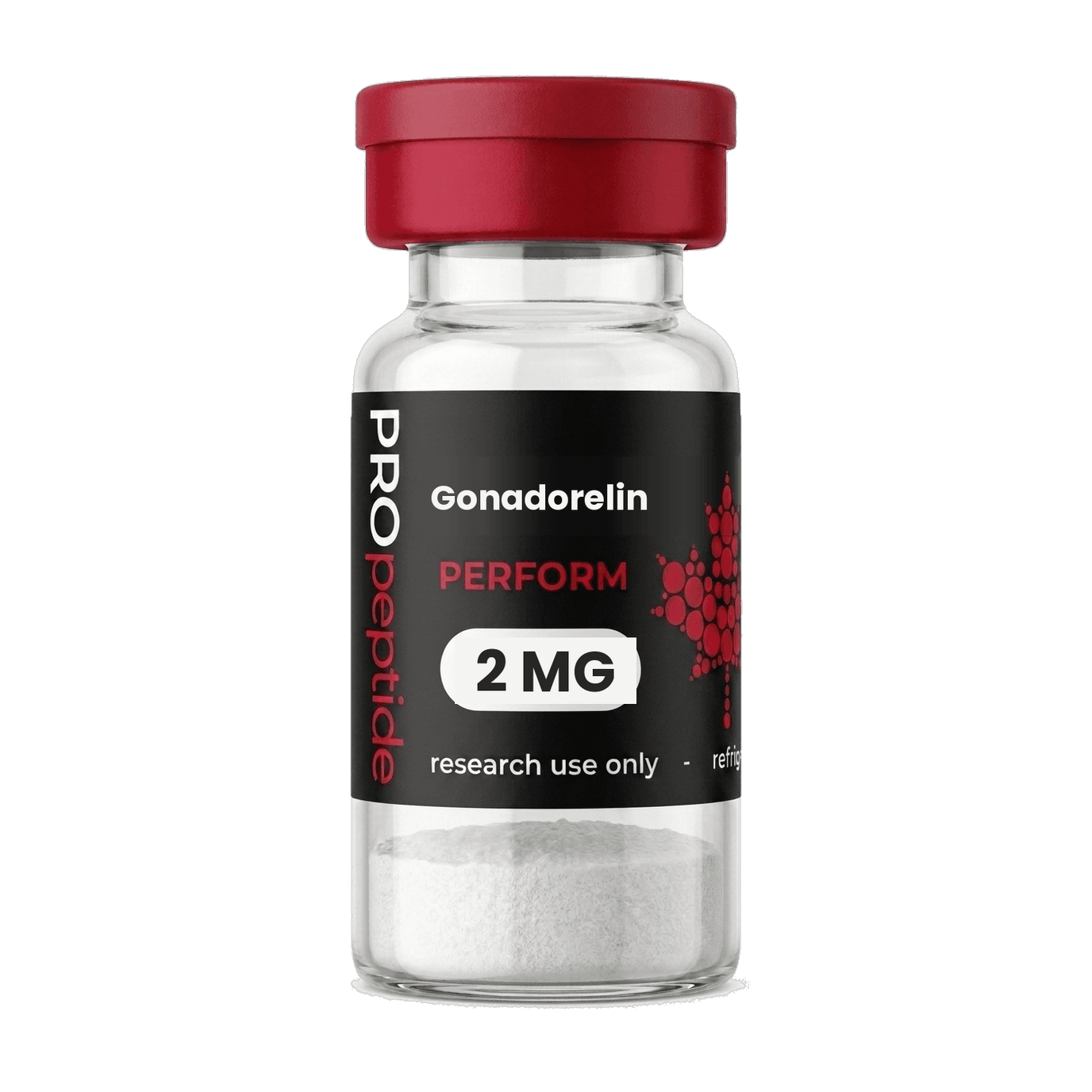
GnRH itself, the exact ten-residue pulse your hypothalamus sends. Its discovery won the 1977 Nobel. Every human product of it in Canada is cancelled; the marketed DINs are for cattle.
Three amino acids missing off the front, and the whole point is what that does to where it goes rather than how hard it binds.
Two pharmaceutical companies tried to reproduce the finding this molecule is famous for. Neither could. It has still never been isolated from actual tissue.
Nobody publishes what is actually in this. No sequence, no PEG weight, no pharmacokinetic study exists for the thing sold under this name. That is not a gap in the research, it is a gap in the product.
The unprocessed precursor, all 344 residues with the signal peptide still attached. The protein your body actually secretes is a different animal: 315 residues and 36 cysteines folded just so.
The parent molecule of half this shelf. Forty-four residues built in the hypothalamus, and DPP-4 takes it apart in minutes, which is why every analogue downstream of it exists.
Swap one D-tryptophan into position six of GnRH and you get a superagonist thirteen times stronger in rats. It ended up shutting the axis down, not up, and that inversion is the whole story.
A glycoprotein that is roughly forty percent sugar, first purified in 1977 from patients' urine. The sialylation is what keeps it circulating, which is a manufacturing problem no small supplier can honestly solve.
Not a molecule. FSH and LH activity extracted from postmenopausal urine and standardised in international units. Still marketed in Canada in 2026, which makes it the rare extract with live approvals.
The Peptide Planner matches compounds to your research and does the dosing math for you.
Open the Planner