
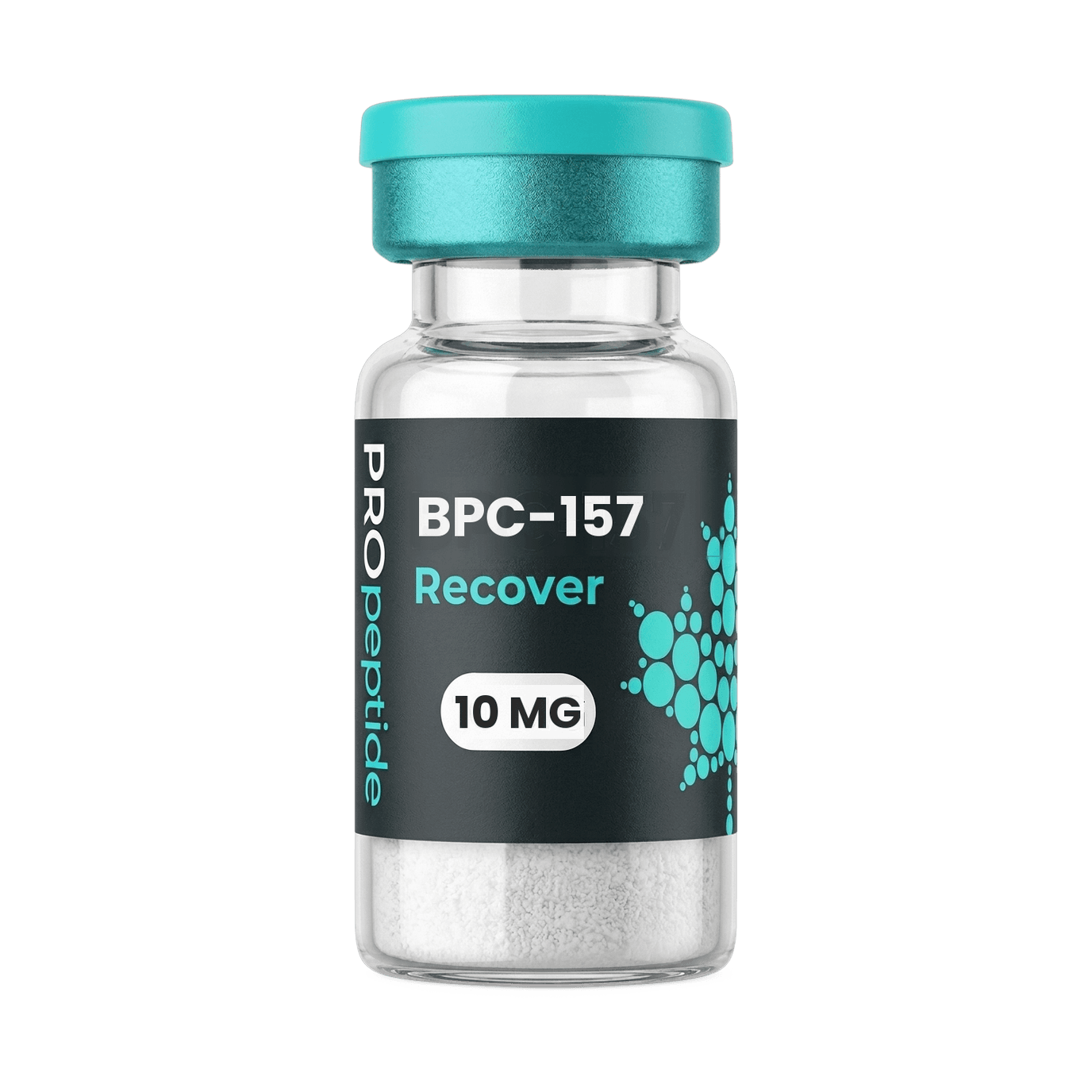
BPC-157 Peptide
BPC-157 peptide is studied for one job: helping the body move repair supplies to where the damage is. It was found, strangely, in your stomach, the one organ built to destroy things. Both halves of that sentence matter.
Choose your pack
For research use only. Not for human or veterinary use.
What BPC-157 is
The plain-language version, first.
It is studied for tissue repair and angiogenesis, primarily in animal models, with only very limited preliminary human data.
Somewhere in grade school a teacher told you stomach acid can dissolve a razor blade, and you filed it away next to quicksand and the Bermuda Triangle and got on with your life. Turns out that one was true.
Your stomach is a bucket of acid, running hot enough to take apart a steak, and the pink lining holding it all never dissolves. Somebody in a lab in Zagreb looked at that in the early 1990s and went, hang on, why not?
Turns out there's a protective protein in your gastric juice doing quiet maintenance the whole time, like the one guy at the shop who actually cleans the fryer.
Researchers pulled a little fifteen-piece stretch out of that protein and noticed something weird. Stomach acid couldn't break it. Most peptides fall apart the second digestion looks at them.
This one just sat there. Sat there in acid.
That fragment is BPC-157. Stands for Body Protection Compound, which is what happens when scientists name something honestly instead of cleverly. The 157 is just where it landed in somebody's numbering system.
It's not a hormone. It's not a steroid. It's a lab-made copy of a thing your own stomach has been making since before you could spell stomach.
What BPC-157 peptide actually does
Mechanism studied, not outcome promised.
Listen. Nothing in your body gets rebuilt until supplies show up, and supplies travel by blood.
A repair crew with no road is just guys standing around holding hammers.
That's the problem most of the BPC-157 research circles. In animal studies, researchers keep watching it do two things: nudge new blood vessels to grow toward damage (the science word is angiogenesis) and lean on the nitric oxide system, which is basically the body deciding how wide to open the pipes.
Think of a town that answers a washed-out street by paving a brand new road straight to it. BPC-157 is studied for whether it gets that road crew moving faster.
That's the pitch. That's the whole pitch.
The other lane is the gut itself. The stuff came out of stomach juice, so stomach and intestinal lining were the first experiments anybody ran, and that lane never closed.
Here's the honest part. Everything above happened in a rat or a dish.
A mechanism in a rat isn't a result in anything else, and we're not gonna dress it up. We told you what researchers watch it do.
Nobody's earned the sentence about what it will do.
The research so far for BPC-157
Where the evidence is thin, we say so.
The BPC-157 file goes back to the early 1990s, and it's a weird file. Deep in one direction, shallow in the other.
Deep: piles of animal studies. Rats, mostly. Rats with tendon injuries, rats with gut damage, rats with blood vessel problems.
Consistent enough that the compound never faded away like most lab curiosities do.
Shallow: a huge chunk of that work comes from the same Zagreb group that found it. Other labs have repeated some of it, but not nearly in proportion to how big the file is. That's worth knowing before you weigh any of it.
And the ceiling, said plain: no large human trial has settled BPC-157.
Not one that flopped. Not one still running. There isn't one.
Anybody talking about proven results is ahead of the evidence, and we'd rather lose the sale than join them.
BPC-157 10mg lyophilised. Ships same day out of BC.
BPC-157 specs
The chemistry, exactly as released.
Who studies BPC-157
Who tends to order this one, and why.
- 1
University of Zagreb
The pharmacology group at the University of Zagreb, source of most of the original gut and tendon work.
- 2
Musculoskeletal researchers
Musculoskeletal researchers running tendon and ligament repair models in rodents.
- 3
Gastroenterology labs
Gastroenterology labs studying inflammatory bowel and gut-lining models.
- 4
WADA
WADA's science division, which tracked the file closely enough to prohibit it in sport.
Sold for laboratory research only. This is not guidance for personal use, and nothing here is a recommendation.
BPC-157 backstory
How it got here.
- 1
Found
Isolated in the early 1990s as a fragment of a protective protein in human gastric juice.
- 2
Stabilised
Synthesised as a stable fifteen-amino-acid pentadecapeptide that holds together in stomach acid.
- 3
Where it stands
Three decades of animal work later: a large file, one-lab-heavy, still waiting on a human trial.
Buying BPC-157 in Canada
What ships, how fast, and the paperwork.
Same day out of British Columbia, cold chain packaging on every order. Not a warehouse in a country nobody's visited. Our facility, our cold packs, our team, and a courier that leaves before the afternoon does.
Third-party tested. Every batch is third-party tested before it's listed. If your source can't show you testing, that's not a source. That's a mystery box.
No best-on-market claims. We won't tell you ours is the best on the market. We don't know what's in anyone else's vials, and neither does anyone who says that. We know what's in ours, and the documentation exists so you can check rather than trust.
If you're researching BPC-157 peptide and you want a source you don't have to squint at, this is the page. Pick your size and let us handle the cold part.
Common questions
5 answers, none of them dodges.
What does BPC-157 actually stand for?
Body Protection Compound. The 157 is just its number in the original series. No hidden meaning, we checked.
Is there human data on BPC-157?
No large human trial has been completed. The file is animal and cell work, and a big share of it comes from one research group. We'd rather say that flat than let you find it out on a forum.
How is BPC-157 different from TB-500?
Different origins, different lanes. TB-500 is studied for how repair cells move; BPC-157 peptide for blood supply and gut lining. The files overlap on the word repair and not much else.
Why does gut research keep coming up with BPC-157?
Because that's where it was found. It's a fragment of a protective protein in gastric juice, so stomach and intestinal lining models were the first experiments anyone ran, and that lane never closed.
Do you ship BPC-157 outside Canada?
Canada only. One country done properly beats six done badly. Every order leaves same day in cold chain packaging.
Good pairing options with BPC-157
What researchers stack alongside it.
Pairing is where research gets ahead of itself. These are the compounds researchers put in the same order as BPC-157 Peptide, which is a statement about ordering habits, not about evidence. Two things in one cart have not been studied together unless somebody studied them together.
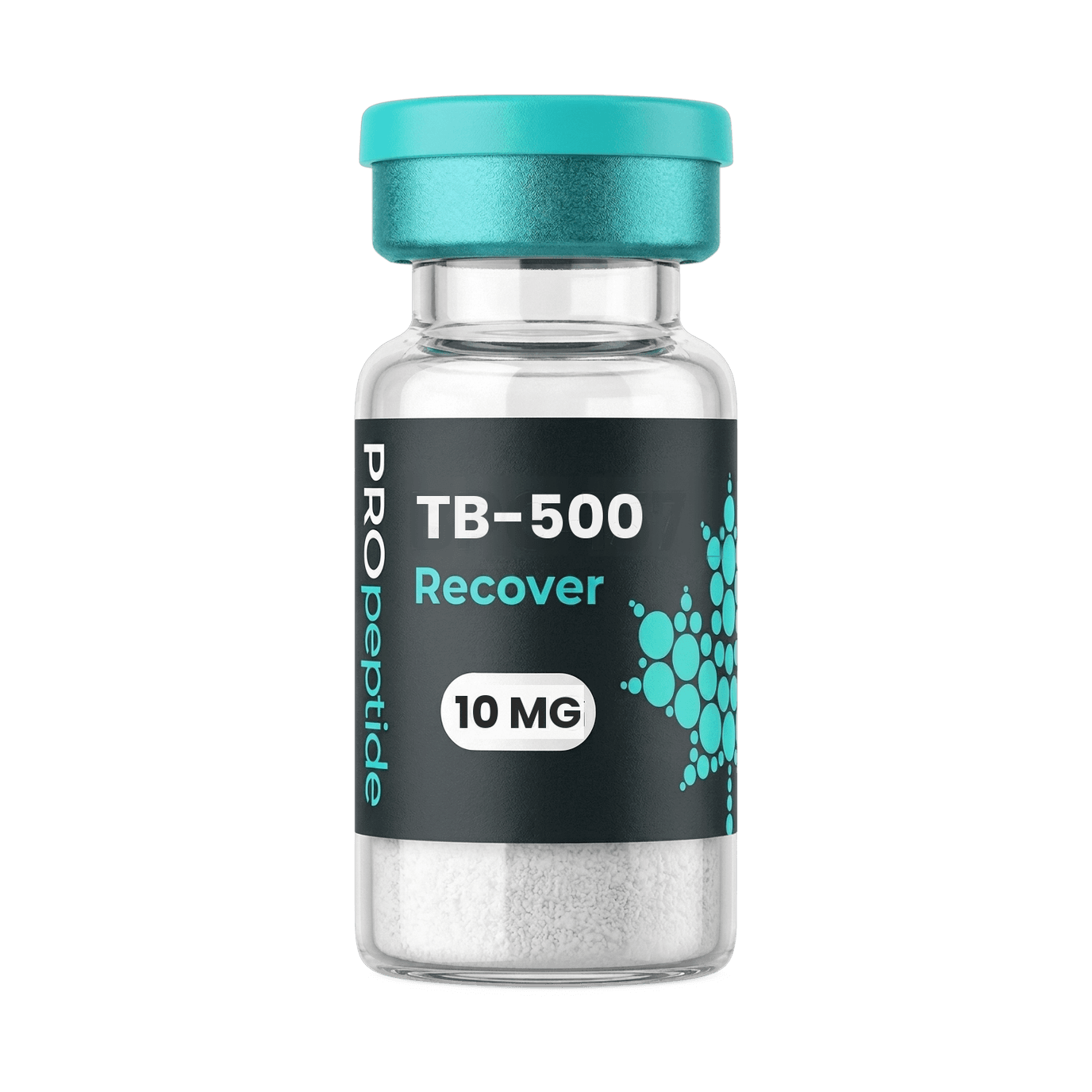
Seven residues clipped out of a 43-residue protein, and they happen to be the exact seven that grip actin. The rest of the protein turned out to be commentary.
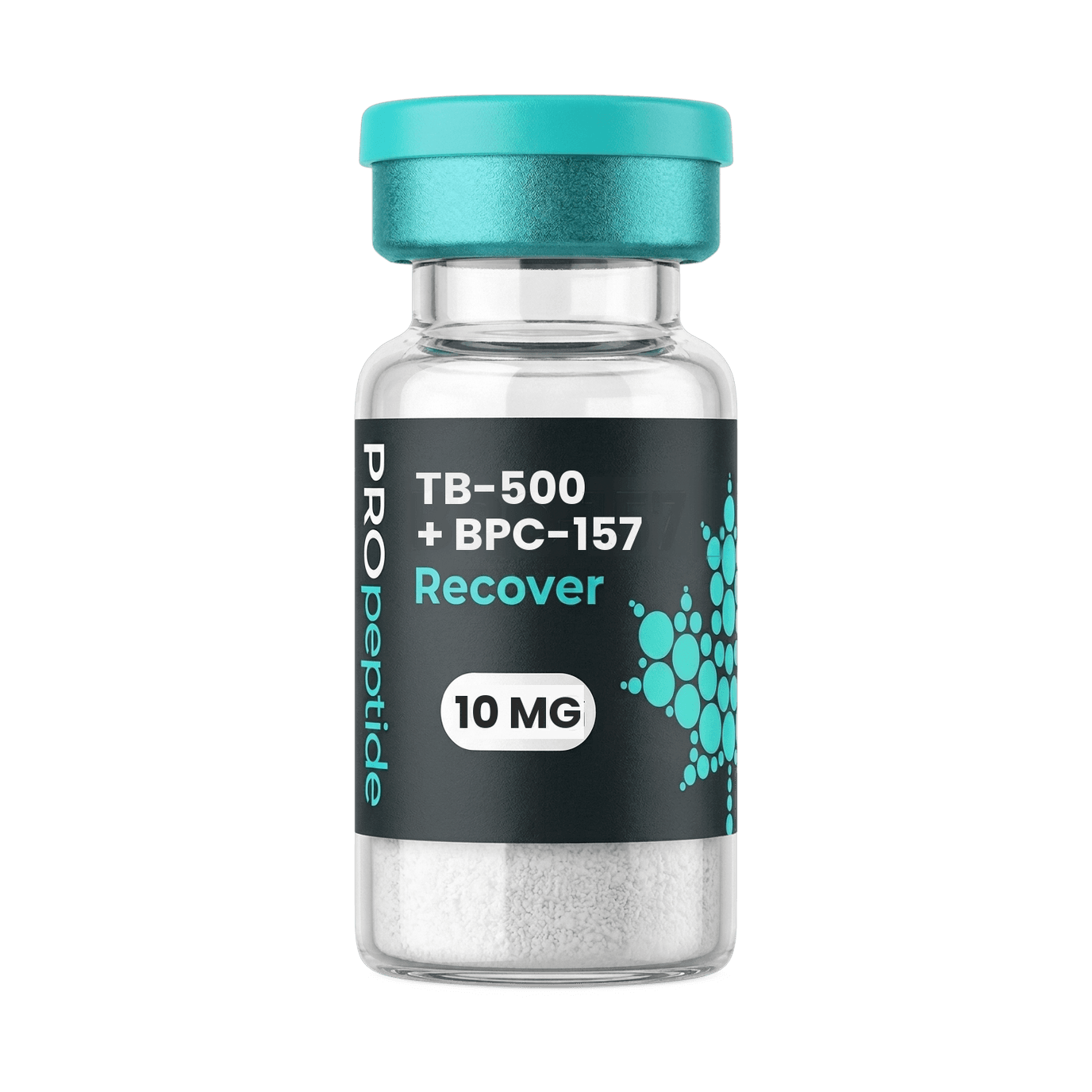
The internet's favourite research pairing, supplied together in one order. Exactly one controlled experiment has tested whether combining them adds anything, and we quote it below.
It is water. We know. But it is the one bottle on this shelf where the boring ingredient is the entire product, and getting it wrong ruins everything else you bought.
Order BPC-157 right now
One last look before you decide.
Freeze-dried, ships cold from Canada
You've got the whole file now, the thin parts included. Nothing above pretended otherwise. If that's the kind of source you were after, BPC-157 is right here.
Not for human consumption. Not approved by Health Canada or any other regulatory body.
Page last updated October 4, 2026
People also search for BPC-157
Related searches.