
Metabolic peptides
The GLP-family analogs and metabolic research compounds everyone is reading about, with the lot testing to match the attention.
Metabolic peptides are research compounds from the incretin and metabolic literature, GLP-family analogs like retatrutide are the most discussed. Every Pro Peptide lot ships cold from Canada.
12 metabolic compounds in the catalog
Filter in the shop →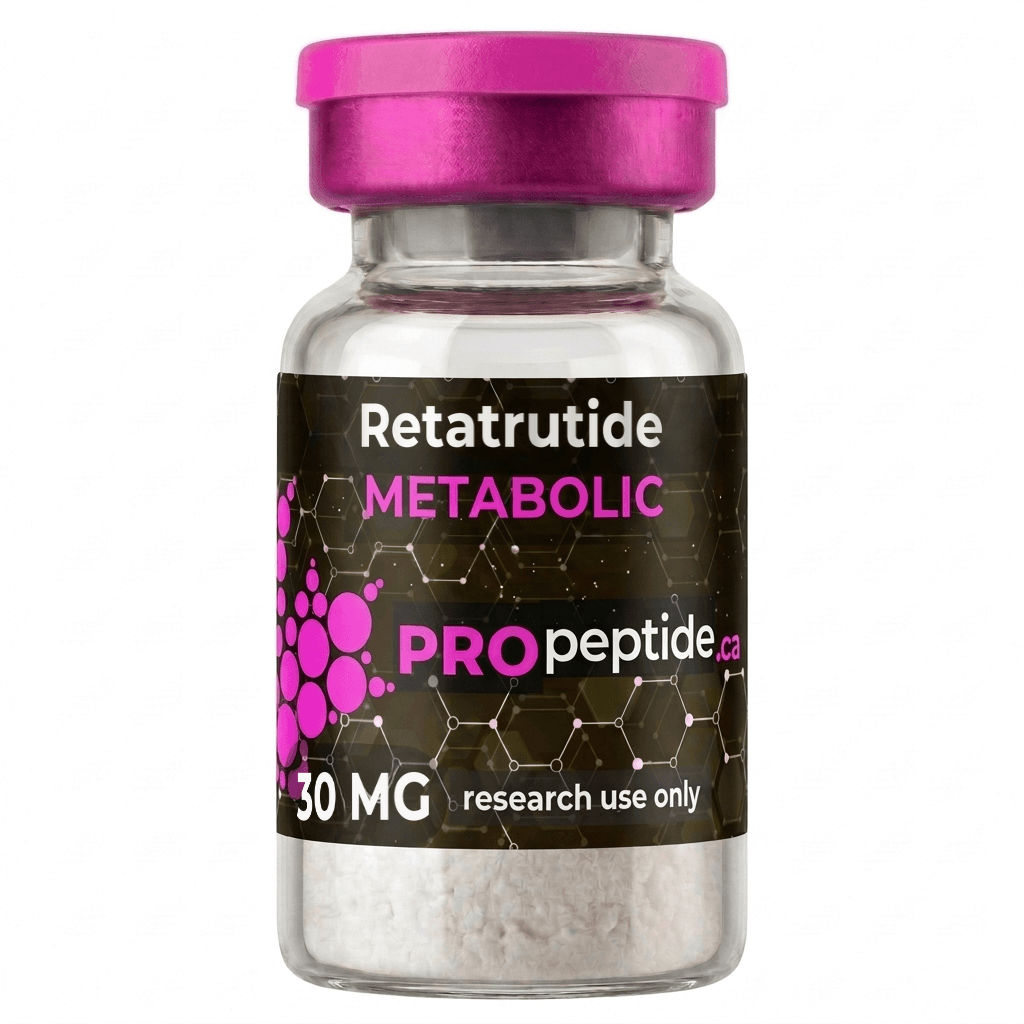
The triple agonist. One 39-residue molecule pulling the GIP, GLP-1 and glucagon receptors at the same time, built on a GIP backbone with an exendin-4 tail.
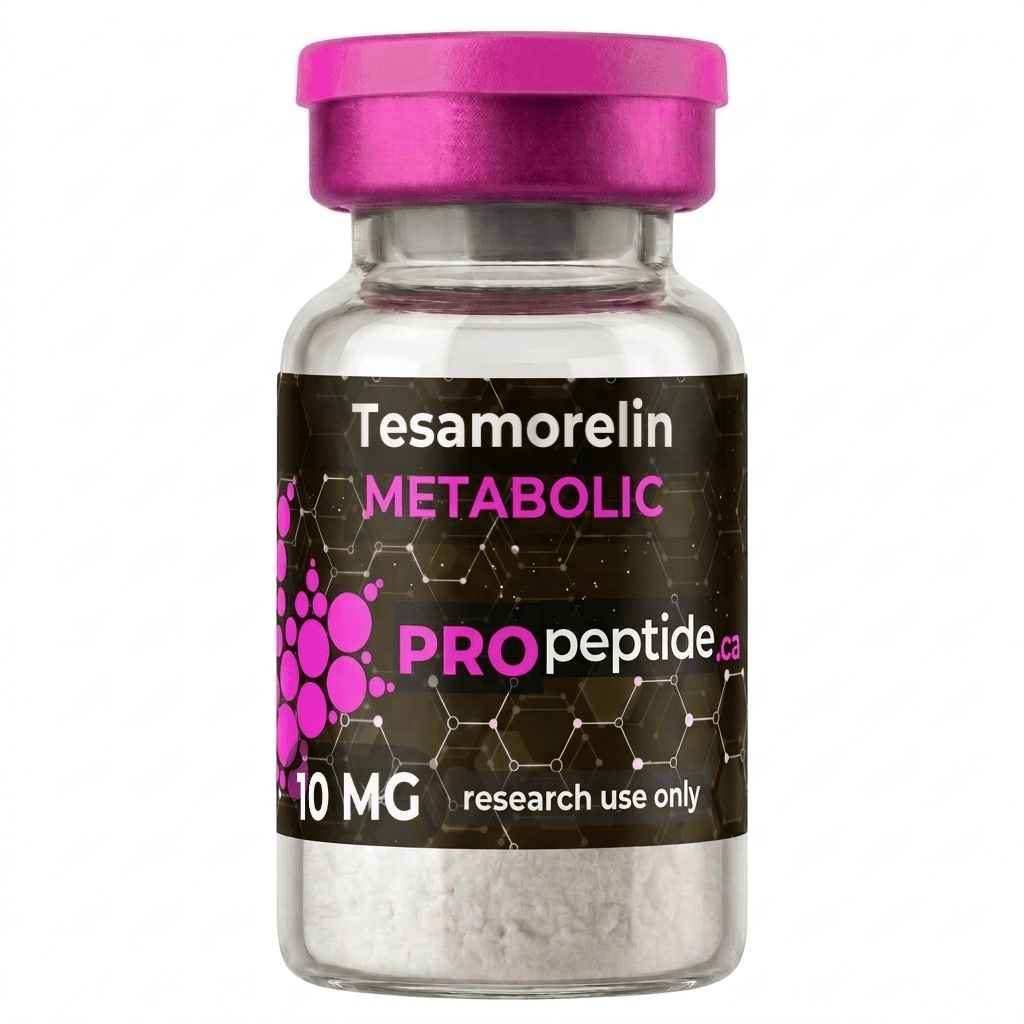
Almost nothing on this shelf ever finished. This one went the entire distance, cleared an FDA approval in 2010, and it was built in Montreal.
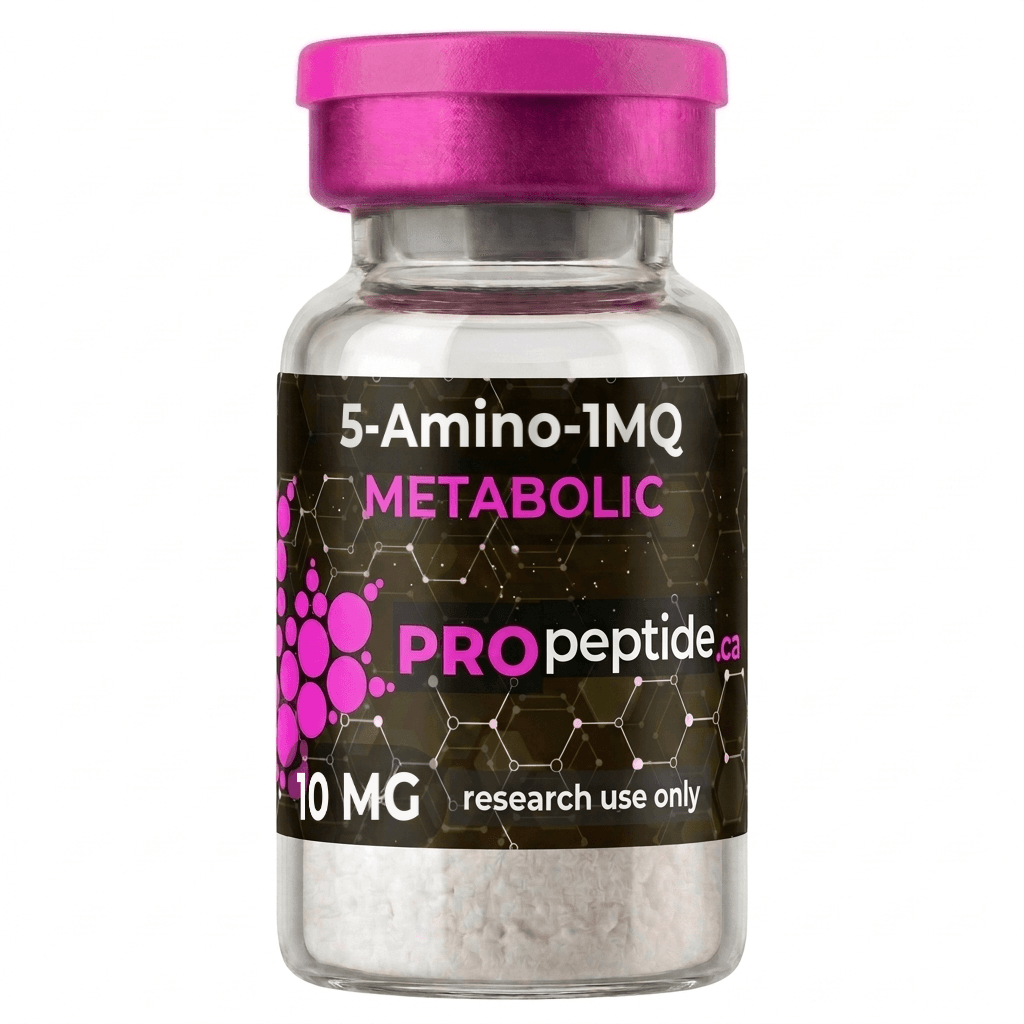
Another one with no amino acids in it, sitting in the peptide aisle under false pretences. Cation mass 159.21, which is roughly a tenth of the smallest actual peptide we stock.
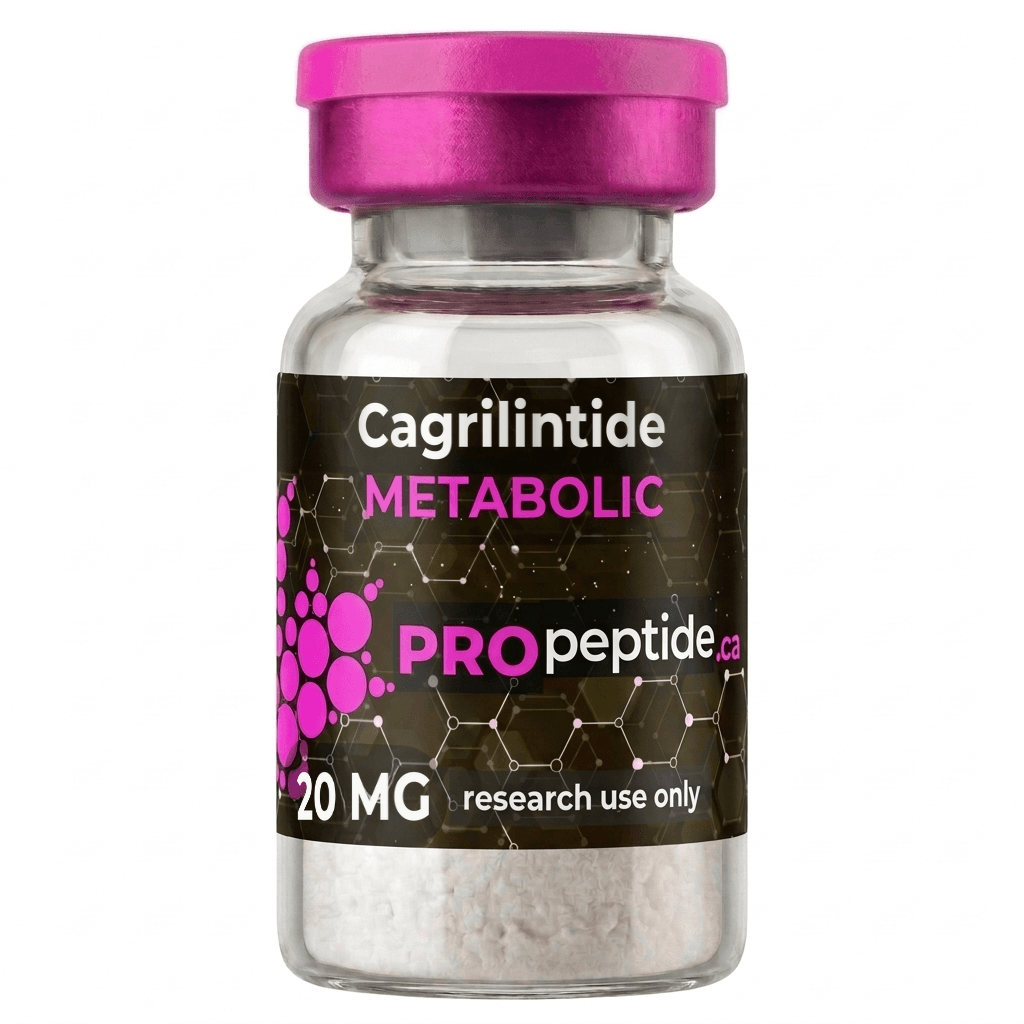
Your pancreas sends two signals every time you eat, not one. Almost nobody outside the field has heard of the second one. Cagrilintide is a long-acting copy of it.
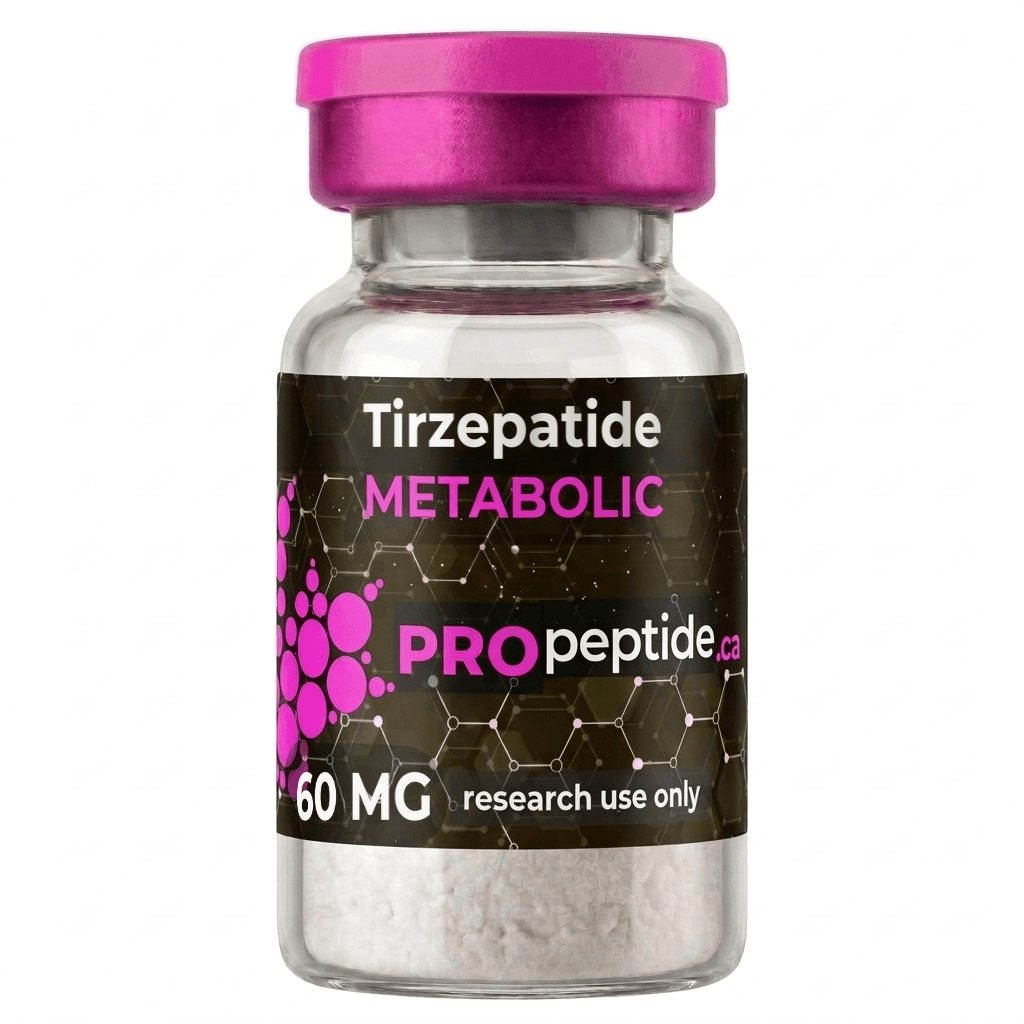
For twenty years GIP was the incretin receptor nobody wanted, written off as the one that was not earning its place in the system. Tirzepatide was built to pull it on purpose, and the field had to go back and re-read its own literature.
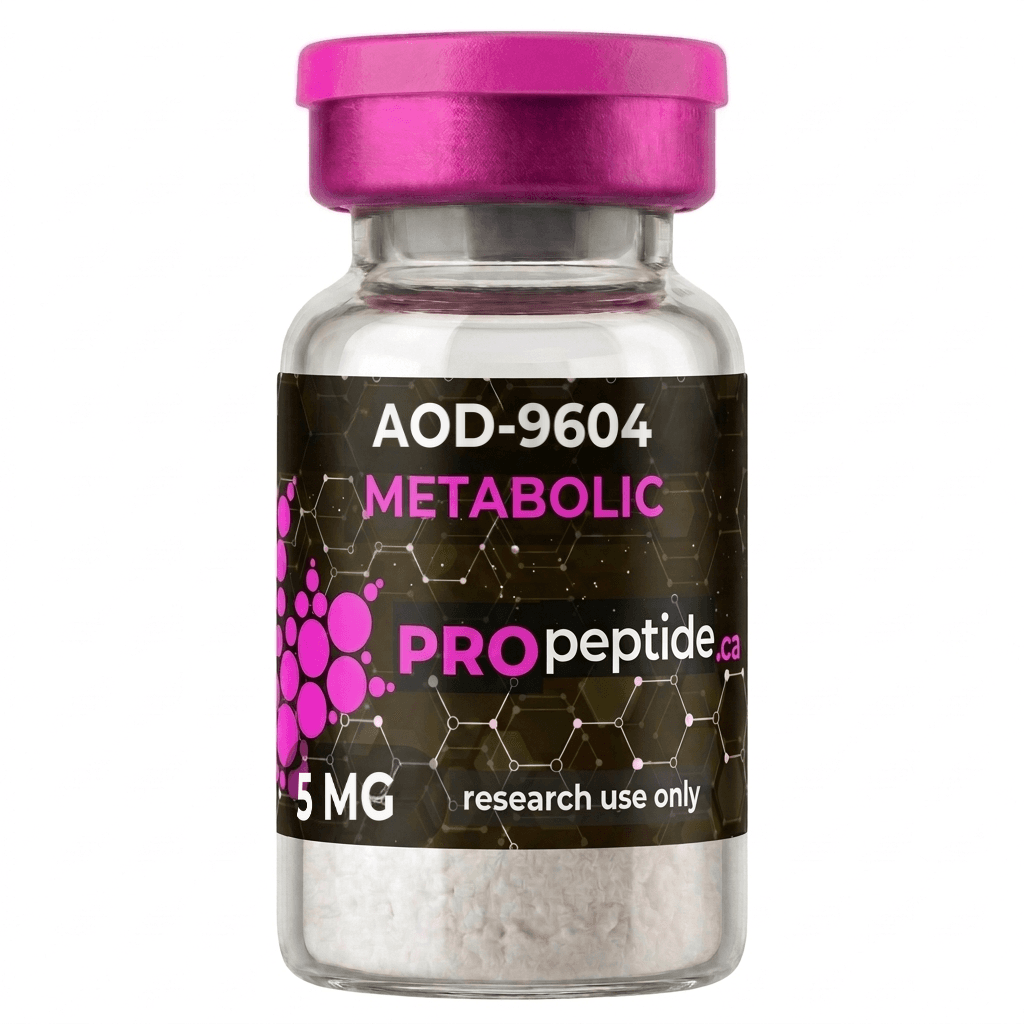
The trial read out and it did not work. So rather than shelve the compound, somebody changed what it was for a living. That is the whole story and it is why you can buy it.
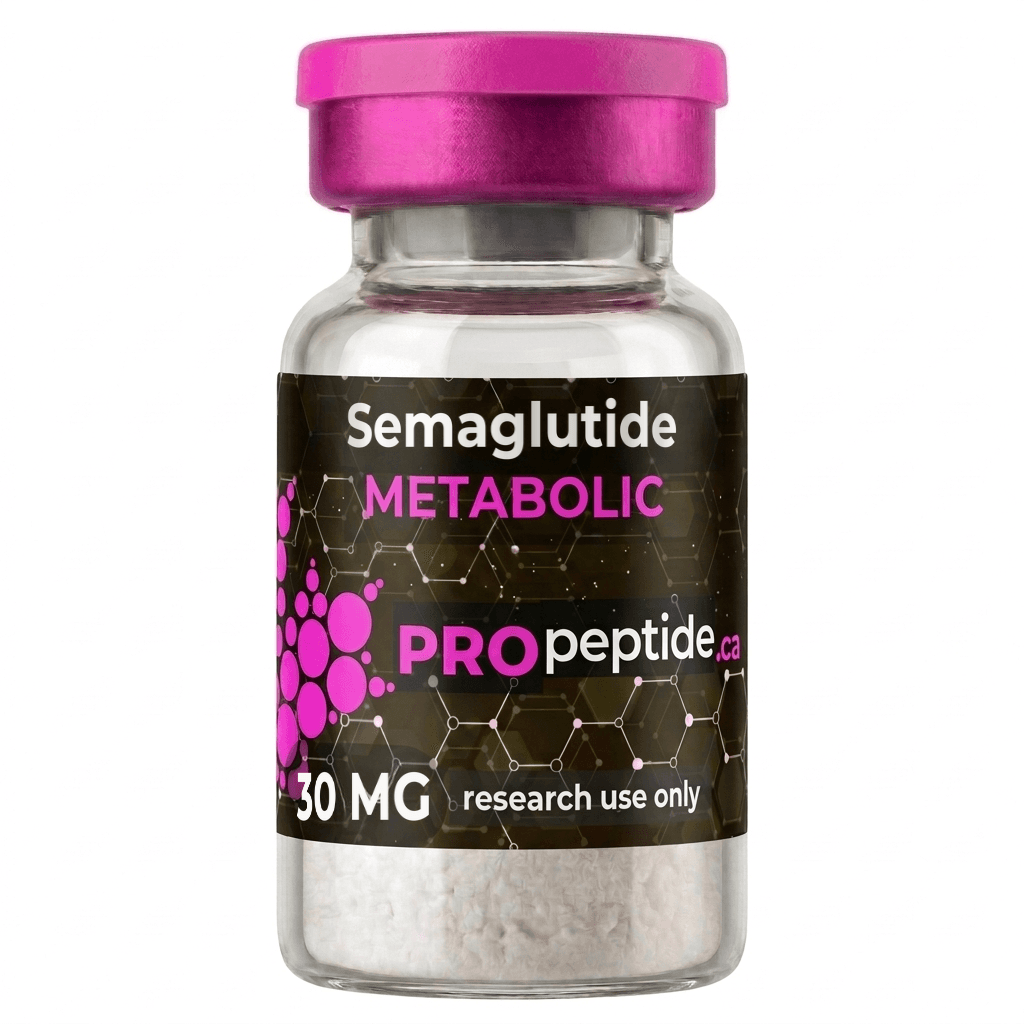
Cut six amino acids off the front of a peptide and it got roughly ten thousand times more active. That result, from 1987, is the reason this entire shelf exists.
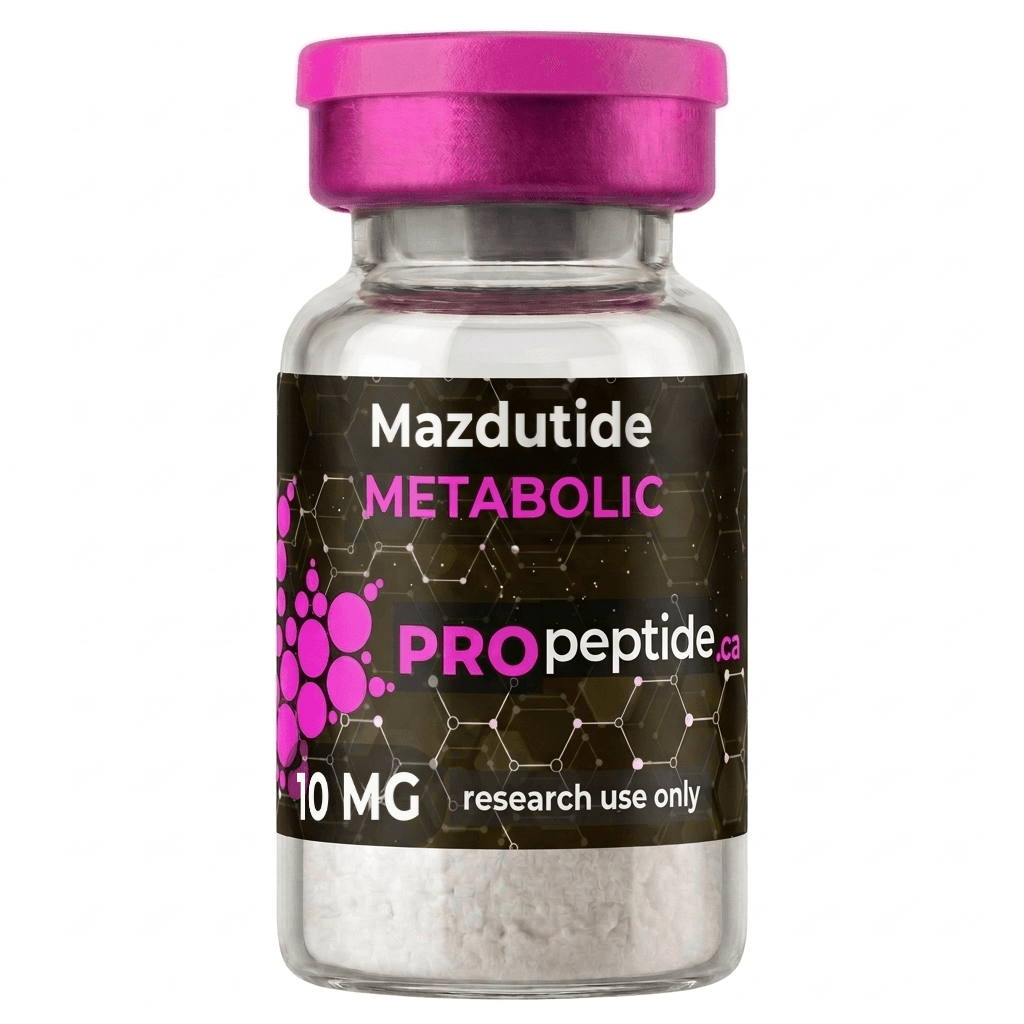
Every dual agonist on this shelf was designed by somebody. This one is based on a molecule your own gut has been making the whole time.
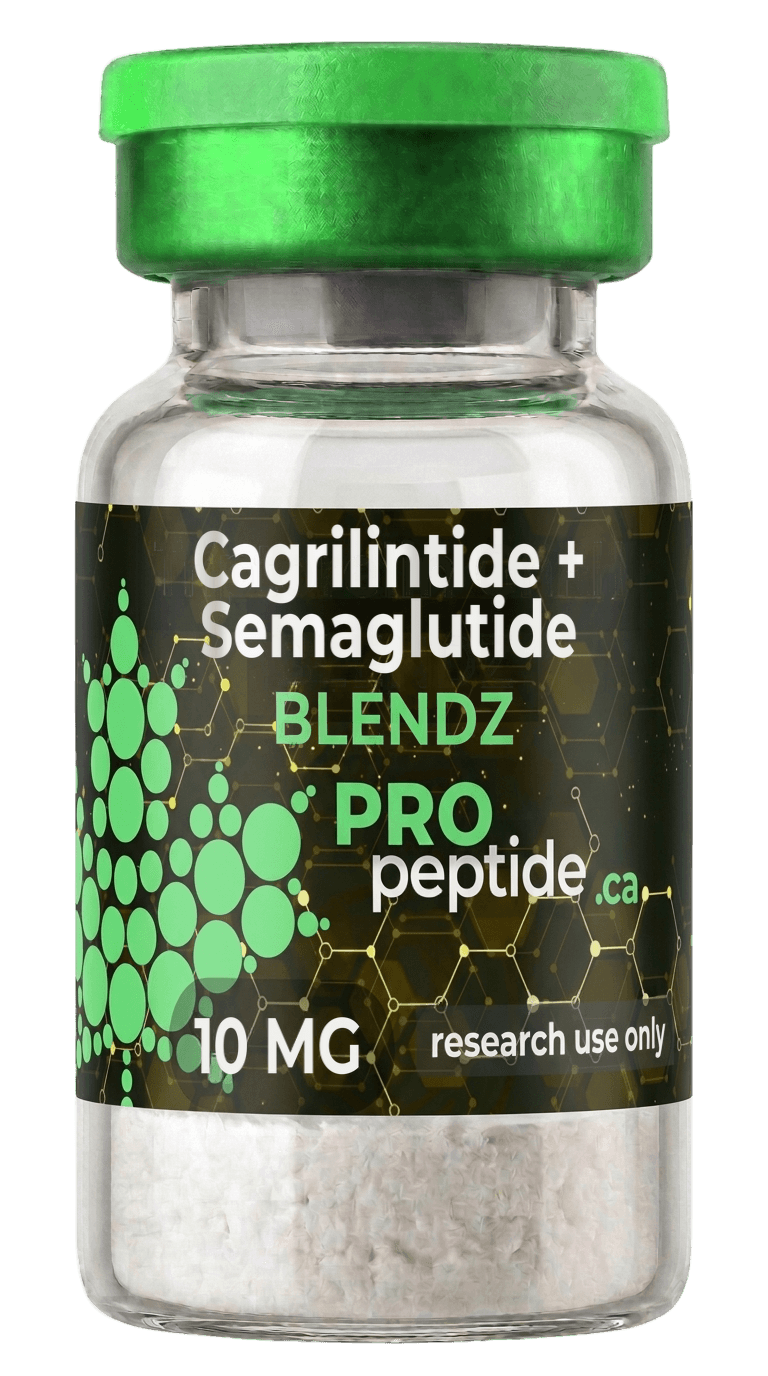
Two different satiety signalling systems in one vial. Which sounds simple until you try to work out which half any given result belongs to.
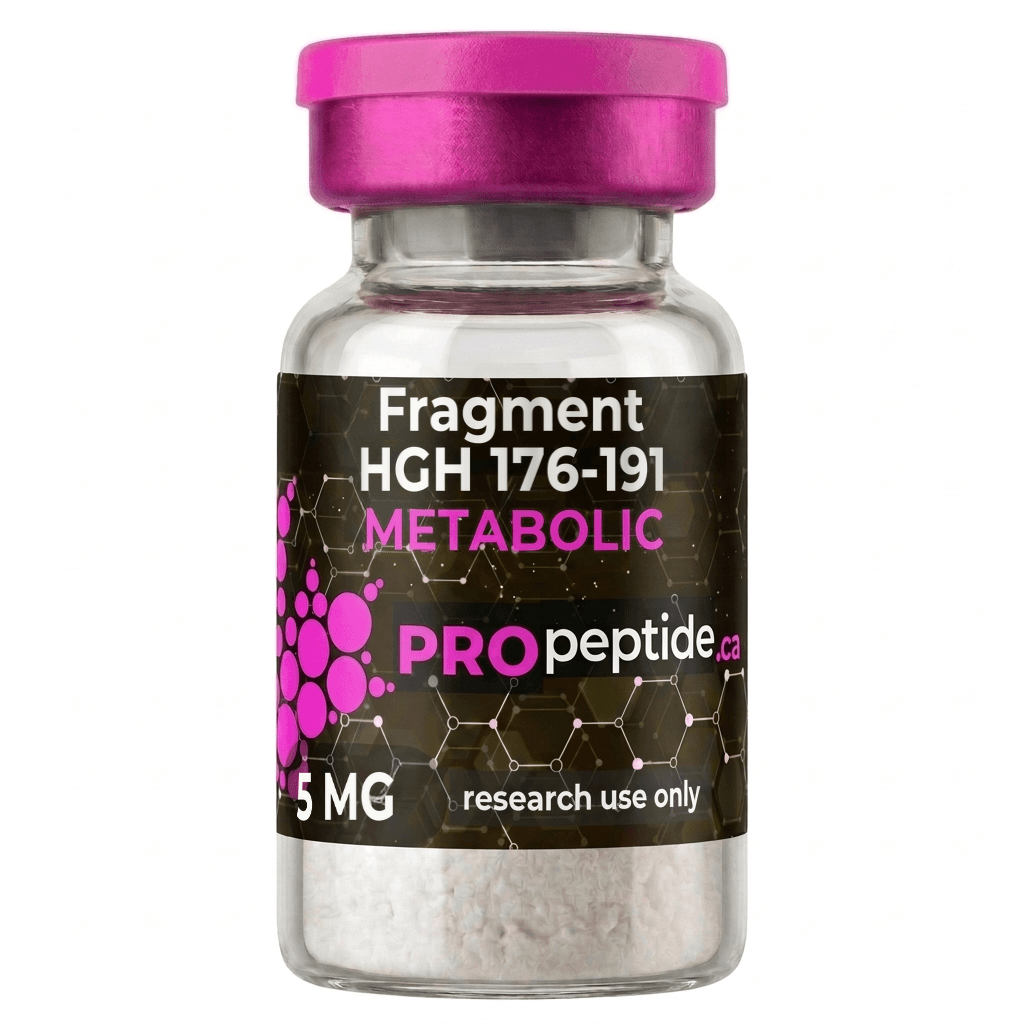
Nearly everything written about this compound is actually about a different molecule. Sorting out which is which is most of the work of understanding it.
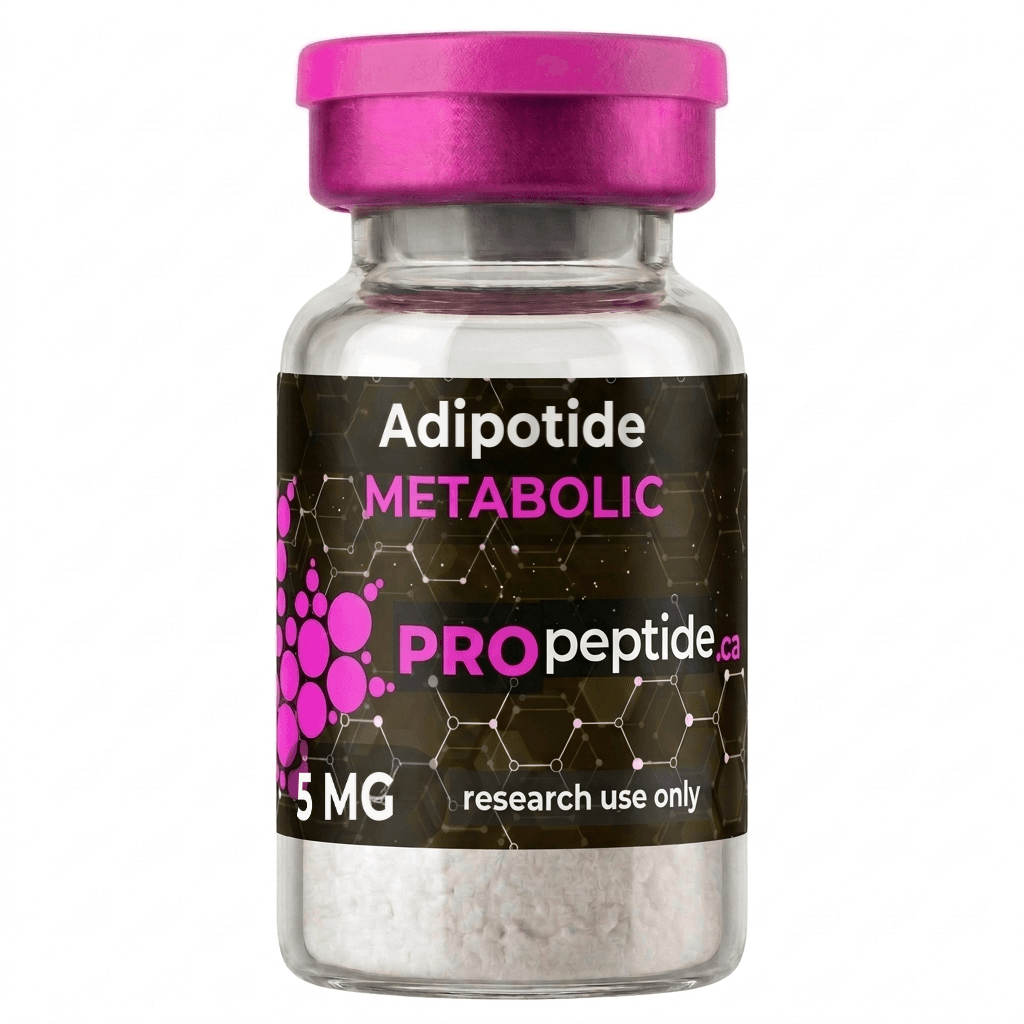
Most compounds are built to talk to a cell. This one was built to find an address and take the building down. That difference is the entire reason to be careful with it.
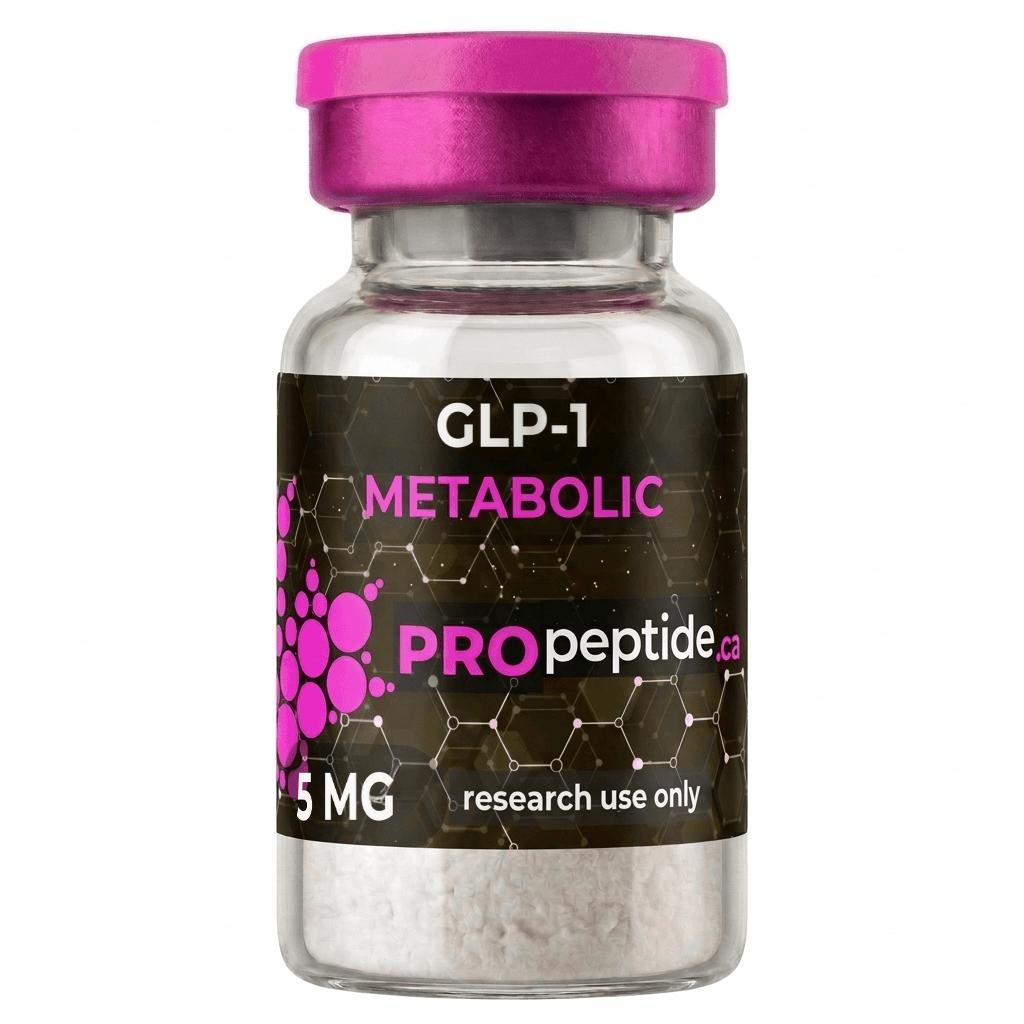
The original incretin, exactly as your gut makes it, no edits. Plasma half-life about one minute, which is why every famous analogue exists and why this one is strictly a reference material.
What the research actually looked at
Incretin receptor work
The current wave of literature is receptor-agonist research, single, dual, and triple agonists and how each combination behaves in trials run by their developers.
Dose-escalation design
Published metabolic studies are notable for careful titration schedules. The Planner exists partly because this category's research protocols are schedule-heavy.
Beyond the headlines
Older metabolic compounds in this bucket have their own records, smaller literatures, mostly preclinical, linked from each product page.
Preclinical literature summarized honestly — each product page cites the studies behind its own record. Research use only.
Order by noon PT and it leaves our facility the same day.
Every order, from our Canadian facility, no upgrade needed.
BAC water, syringe draws, how long a vial lasts. Free, no account.
Good to know
What's in the metabolic category?
Research compounds studied in metabolism and incretin-signaling literature, including GLP-family receptor agonists and related analogs.
How are strengths handled?
Each product lists its real vial strengths as separate variants with their own SKUs.
Are these for human use?
No. Everything here is sold for laboratory research use only and not for human consumption. We're not a pharmacy and don't make medical claims.