
Longevity peptides
Compounds from the aging-research literature, copper peptides, telomerase studies, and the skin-biology record.
Longevity peptides are research compounds from the aging and skin-biology literature, GHK-Cu and Epithalon are the most cited. Every Pro Peptide lot ships cold from Canada.
12 longevity compounds in the catalog
Filter in the shop →
The longevity molecule every podcast gets to by minute ten. Not a peptide, and your cells burn through it all day anyway.
The tanning peptide, and the reply-all of its family. A ring of seven amino acids no country ever approved, with a human record worth reading first.
Three protein building blocks your own cells make all day long. It's the cell's main antioxidant, basically rust-proofing spray against the wear oxygen causes inside, and scientists study it in the liver and the skin.
A four-building-block lab-made protein that heads straight for your mitochondria, the power plants in your cells. It parks on the fat that holds their machinery in place, like a regular on his favourite barstool, and the FDA approved it in 2025 for a rare disease where those power plants fail.
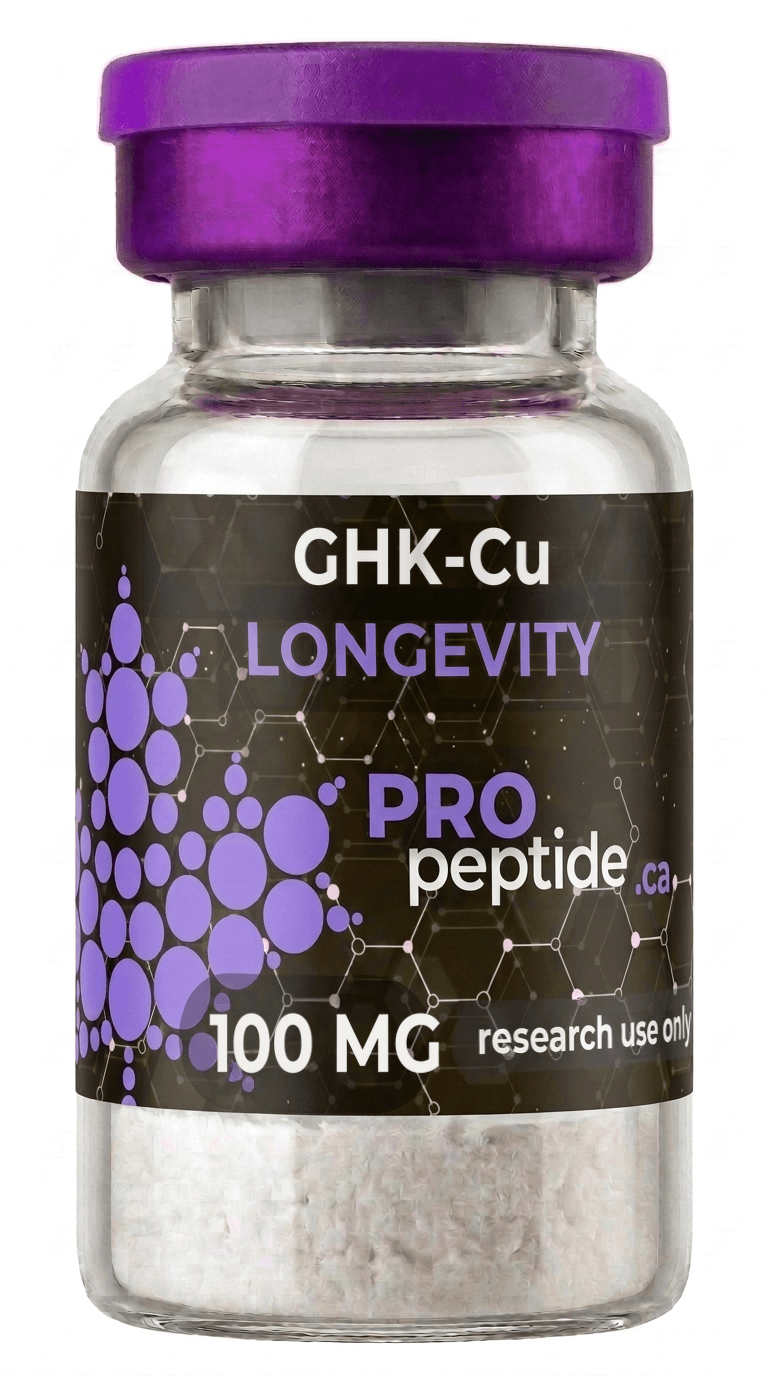
Three protein building blocks hanging onto a copper atom like a kid who won't let go of a quarter. That copper is something skin uses to build collagen, which is why it shows up in skincare creams.
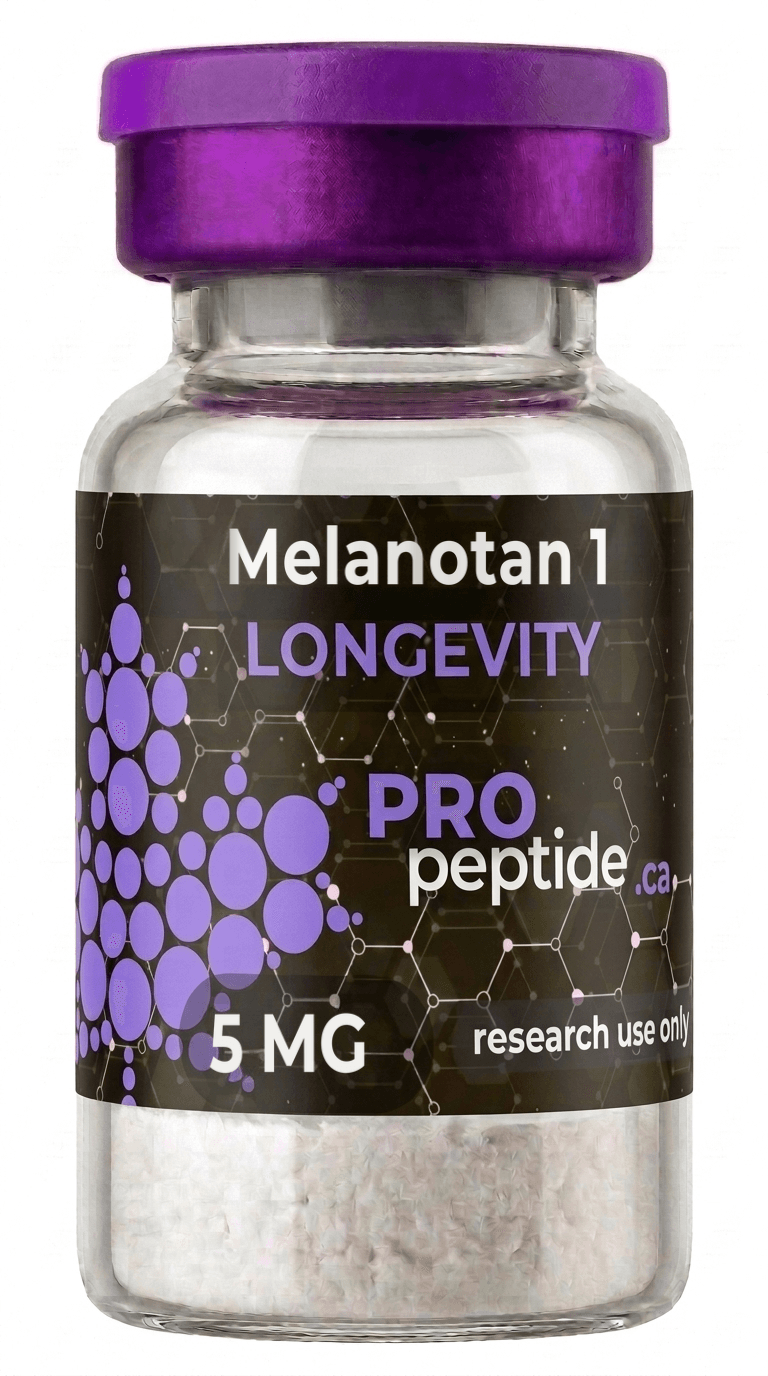
The tanning peptide that went legit. Afamelanotide grew up into an approved implant for people whose skin can't take sunlight.
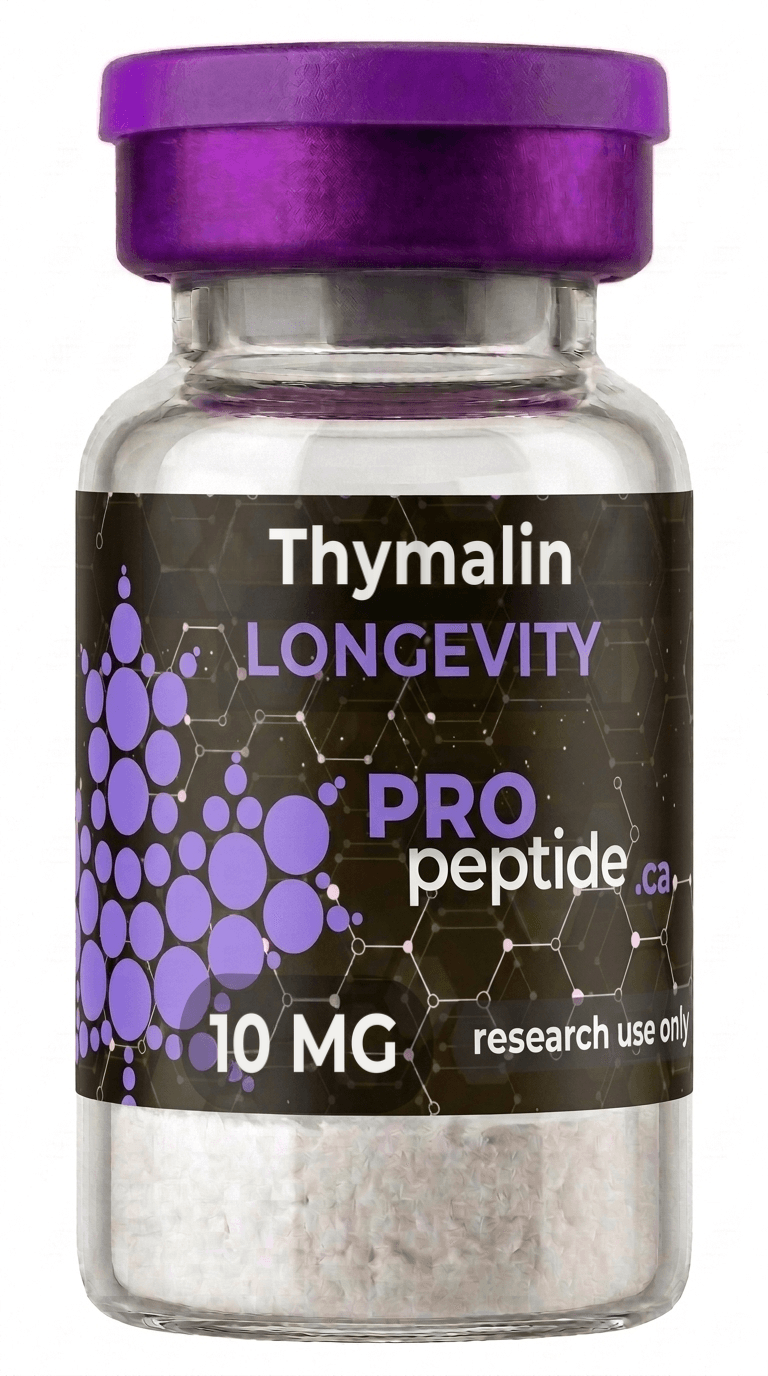
A mix of small proteins from the thymus of calves, the gland where immune cells learn their job, so it's a grab bag, not one molecule. Russia still studies and uses it for immunity and ageing, but no Western regulator has looked at it.
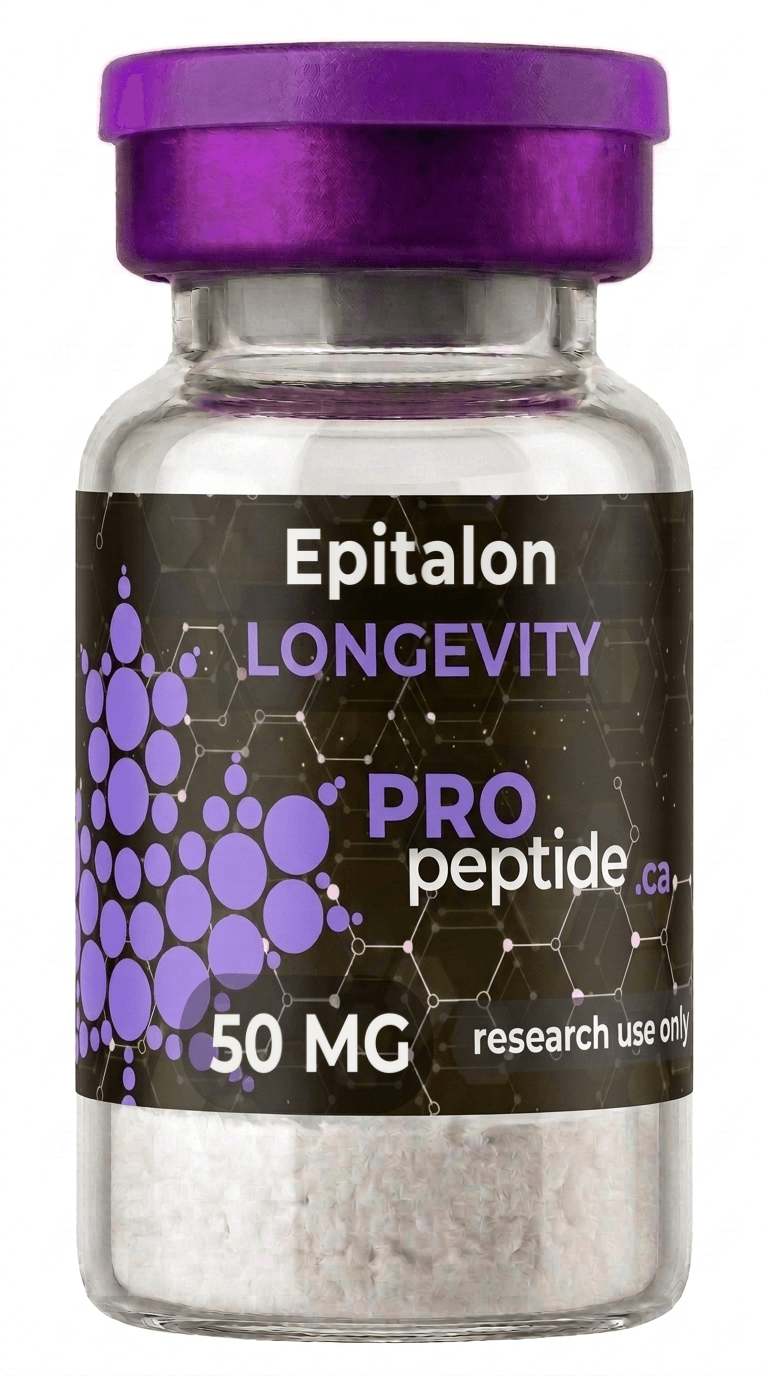
A four-building-block lab-made peptide, designed from an extract of a cow's pineal gland, a tiny gland in the brain. Scientists study whether it switches on the enzyme that rebuilds telomeres, the shoelace-tip caps on chromosomes that wear down as cells age.
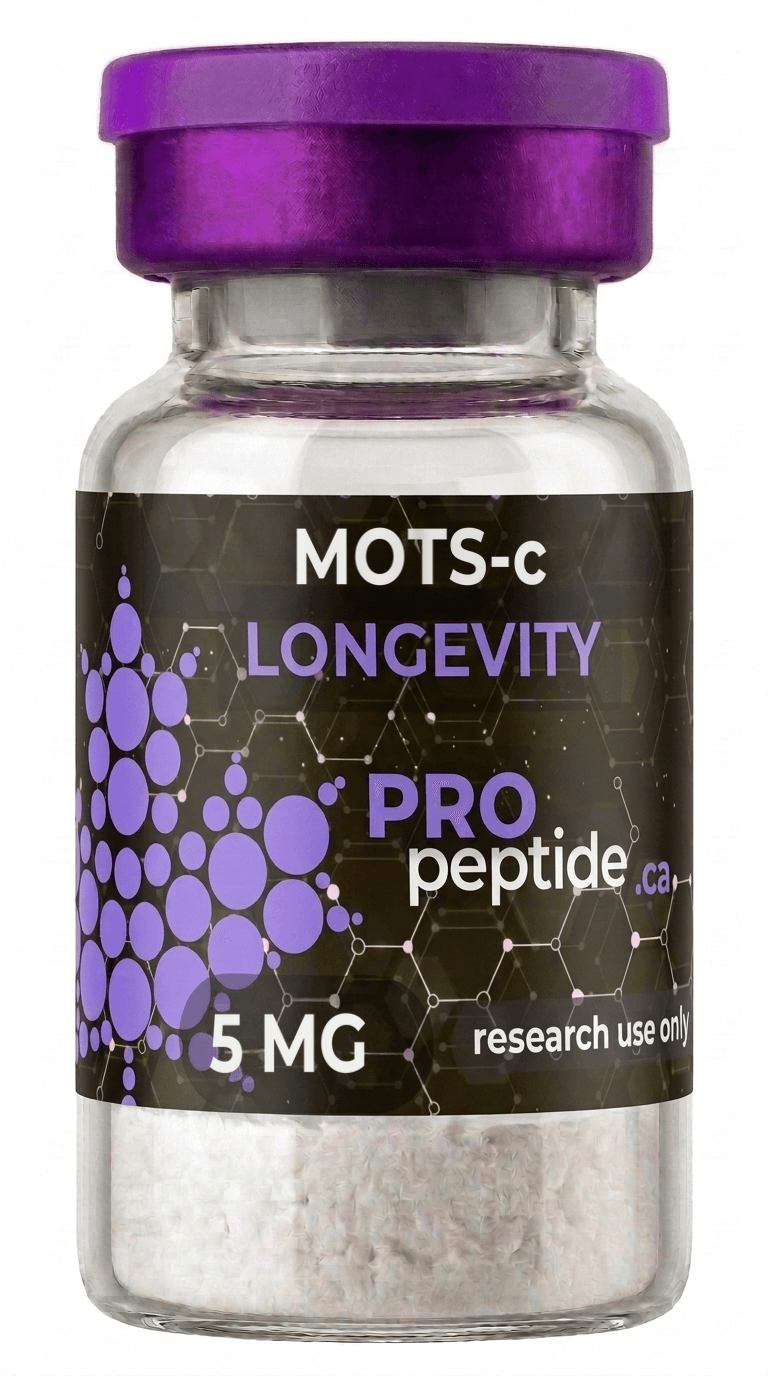
Your cells' batteries text head office when fuel runs low, and this is the text. Lab research has looked at it for fuel use and endurance.
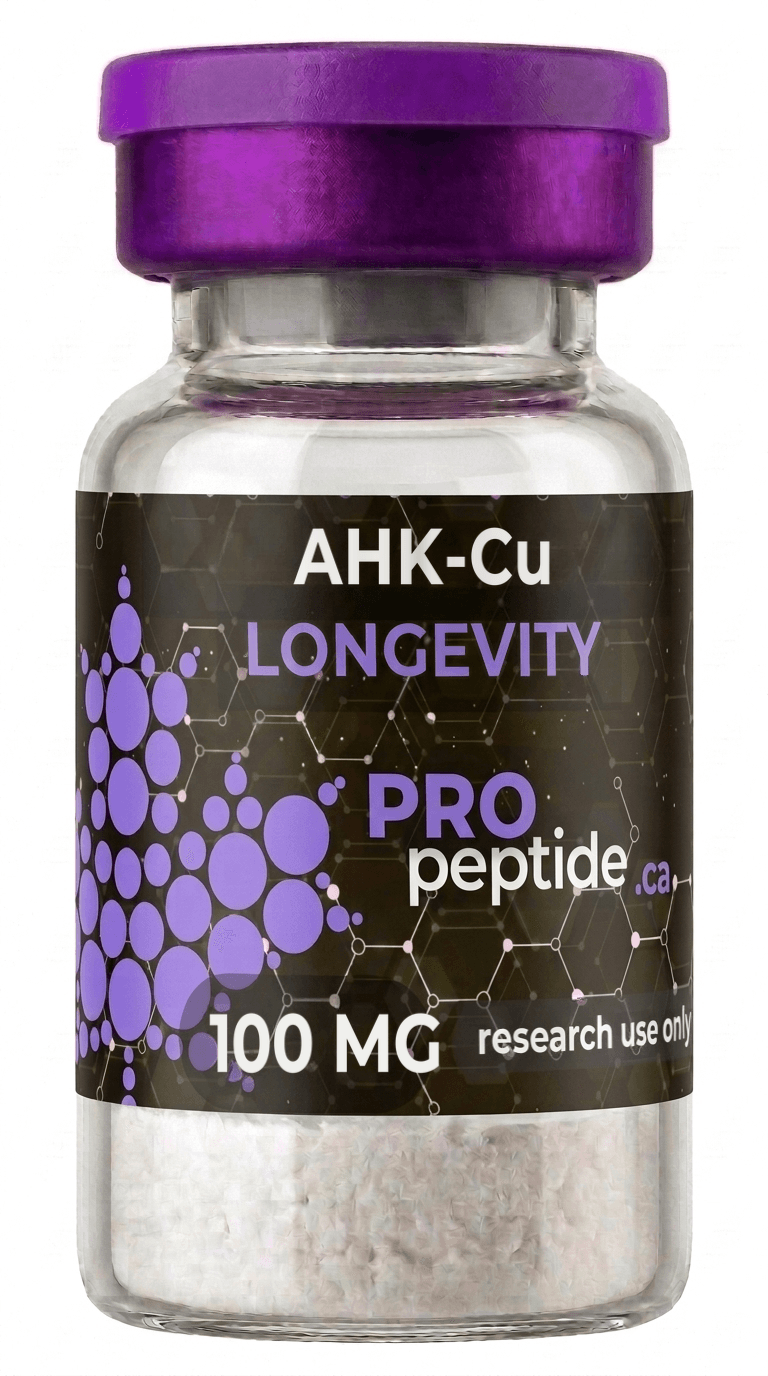
GHK-Cu's lab-made cousin: three building blocks holding a copper atom, with one block swapped. Same family, different haircut, and its own research is one 2007 lab study on hair follicles.
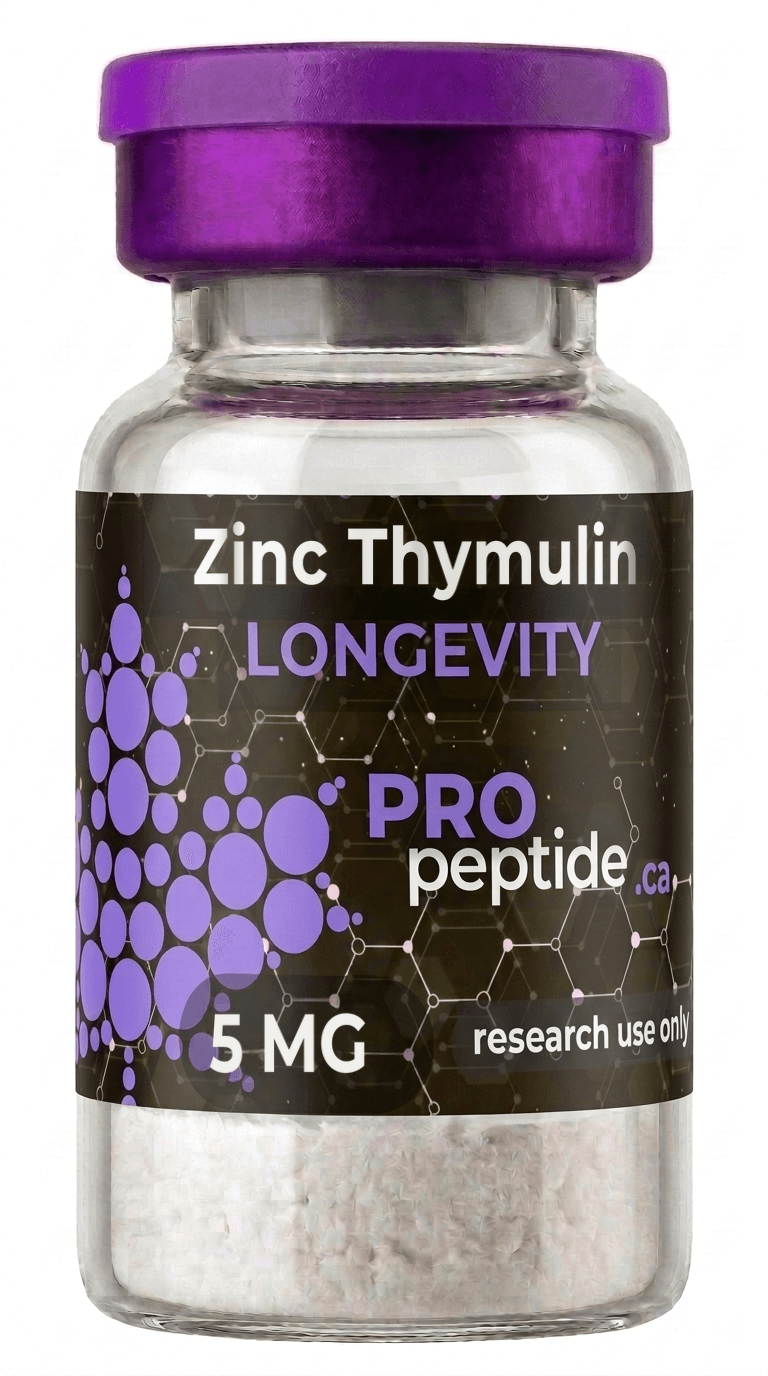
A nine-building-block peptide from the thymus that does nothing without its one zinc atom, like a flashlight without its battery. These days scientists mostly use it as a sign of how much zinc the body has.
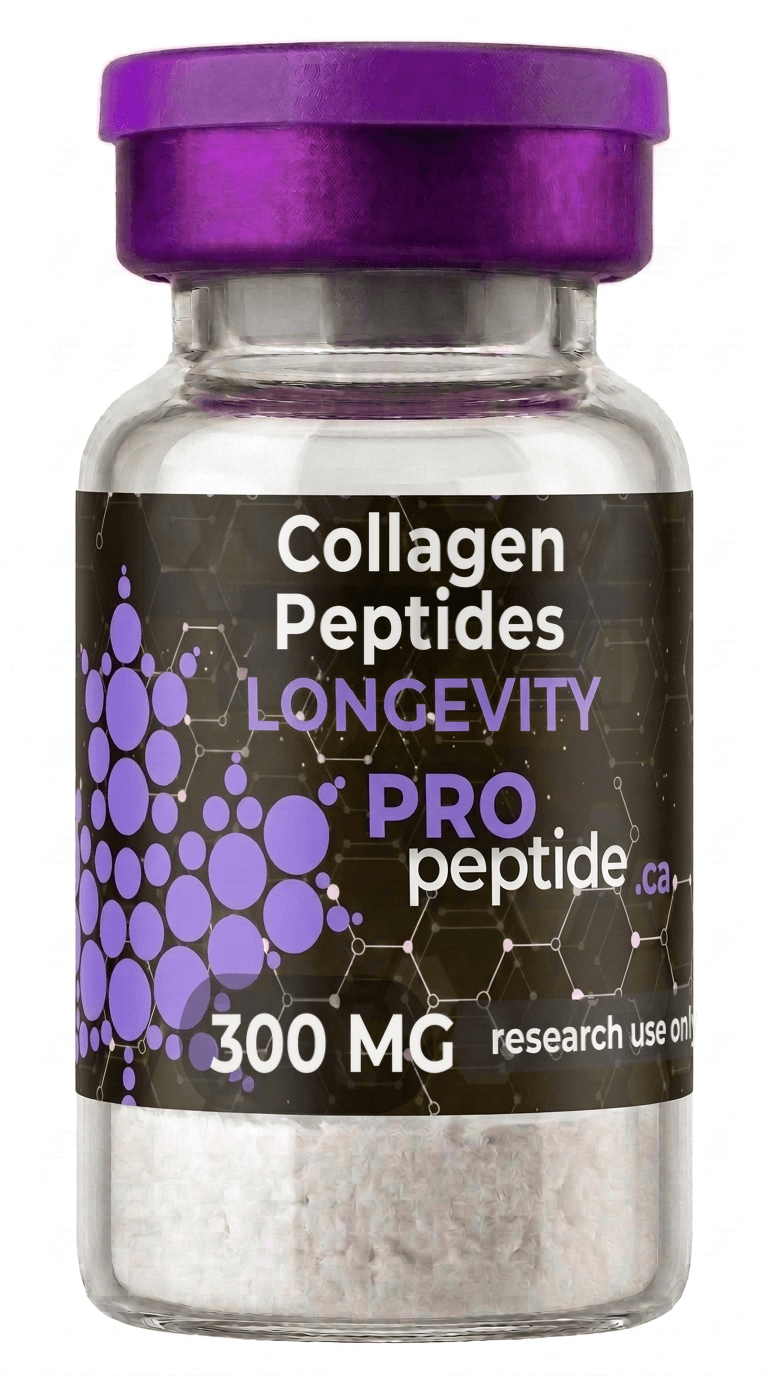
The least glamorous thing we sell, and the one with 35 randomised human trials behind it. A mixture, not a molecule.
What the research actually looked at
Collagen synthesis markers
The copper-peptide record is mostly in vitro and small topical studies measuring collagen and glycosaminoglycan markers.
Telomerase research
Epithalon's literature comes largely from decades of Russian institute work on telomerase activity in cell lines and animal models, interesting, and clearly labeled as such.
Skin-barrier models
Newer entries in this category are studied in skin-barrier and wound-model settings; each product page links what exists rather than rounding up.
Preclinical literature summarized honestly — each product page cites the studies behind its own record. Research use only.
Order by noon PT and it leaves our facility the same day.
Every order, from our Canadian facility, no upgrade needed.
BAC water, syringe draws, how long a vial lasts. Free, no account.
Good to know
What counts as a longevity peptide?
Compounds whose study record is mostly in aging biology, skin biology, or cellular-senescence models. The label describes the literature, not a promise.
Are these for human use?
No. Everything here is sold for laboratory research use only and not for human consumption. We're not a pharmacy and don't make medical claims.